7-Eleven was founded in 1927 in the United States and has grown into the world’s largest convenience-store chain. Known for its quick-service model, everyday essentials, snacks, beverages and 24×7 availability, the brand is expanding steadily in India. As demand for modern convenience stores rises in metros and tier-1 cities, many entrepreneurs are curious about the cost and feasibility of opening a 7-Eleven store. This article explains the total investment, setup requirements, profit margins and whether a 7-Eleven franchise is the right business for you.
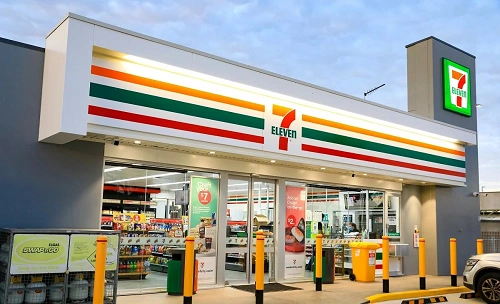
About the 7-Eleven Brand
7-Eleven offers packaged foods, beverages, snacks, bakery items, dairy essentials, ready-to-eat meals and daily-need products. It’s built on convenience shopping — quick access, compact layout, extended hours and impulse-buy items. For franchise owners, this means steady footfall from office-goers, students, commuters and nearby residents.
Is 7-Eleven a Franchise or Company-Owned Model in India?
7-Eleven operates in India through a franchise-operated model under Reliance Retail. Investors can run stores under the brand name while following strict guidelines for store layout, product standards, operations and service.
Total 7-Eleven Franchise Cost in India
Depending on store size and location, investment generally falls into these ranges:
- Small to Medium Convenience Store: ₹30–50 lakh
- Large High-Street or Premium Location Store: ₹50–75 lakh
Most new stores fall within ₹30–50 lakh.
7-Eleven Franchise Cost Breakdown
- Franchise Fee: ₹3–6 lakh
- Interiors & Store Fit-Out: ₹10–20 lakh
- Refrigeration Units, Shelving & Display Fixtures: ₹5–10 lakh
- Billing, Software & Security Systems: ₹1–3 lakh
- Initial Inventory & Stock Purchase: ₹5–10 lakh
- Branding & Signage: ₹1–2 lakh
- Staff Hiring & Training: ₹1–2 lakh
- Working Capital Reserve: ₹3–5 lakh
- Rental Deposit / Advance: Varies by city
Total startup cost for a standard store is typically ₹30–50 lakh.
Space & Location Requirement
- Recommended Store Area: 500–1,000 sq ft
- Ideal Locations:
- High-street markets
- IT parks and office zones
- Residential neighbourhoods
- College areas
- Transport hubs
Convenience stores often perform best in areas with impulse-buy behaviour and high daily footfall.
7-Eleven Franchise Profit Margin & ROI
A 7-Eleven outlet can generate steady revenue with good management and location:
- Monthly Revenue: Depends on footfall, typically strong near offices or metros
- Net Profit Margin: 10%–20%
- Net Monthly Profit: Varies widely by city and store size
- ROI Period: 18–30 months for most standard outlets
Success depends on consistent sales volume and efficient stock turnover.
Royalty & Ongoing Charges
7-Eleven normally charges:
- Royalty Fee: A percentage of monthly sales
- Marketing Fee: For national promotions
Franchise owners must handle:
- Rent and utilities
- Staff salaries
- Stock replenishment
- Electricity for refrigeration
- Store maintenance
Efficient inventory management is important to maintain margins.
Support Provided by 7-Eleven
7-Eleven offers comprehensive support, including:
- Store design and layout guidance
- Equipment specification and vendor support
- Staff training for operations, billing and hygiene
- Product sourcing and supply-chain coordination
- Marketing support and seasonal promotions
- Pre-launch and post-launch operational assistance
This ensures even first-time retail entrepreneurs can run stores effectively.
Who Should Invest in a 7-Eleven Franchise?
- Investors with ₹30–50 lakh capital
- Entrepreneurs interested in modern retail and convenience stores
- People with access to high-footfall locations
- Individuals ready for daily store management
- Those wanting a steady, volume-based retail business
Not ideal for someone seeking low involvement or very low investment.
Risks & Challenges
- Slim margins on many FMCG products
- Dependence on footfall and impulse purchases
- Higher electricity costs due to refrigeration
- Competition from small kirana stores, supermarkets and online quick-commerce brands
- Need for strong stock control to avoid wastage
Good location and efficient operations help overcome these challenges.
How to Apply for a 7-Eleven Franchise
- Submit franchise enquiry with investment and location details
- Get location assessed for feasibility
- Undergo financial and background verification
- Sign franchise agreement
- Set up interiors, equipment and inventory
- Train staff as per brand standards
- Launch store with brand support
Conclusion
7-Eleven offers a strong modern-retail business opportunity for entrepreneurs with ₹30–50 lakh investment capacity. With its convenience-store model, trusted brand and growing presence in Indian cities, it can be a profitable venture if located in a high-traffic zone and managed efficiently. Success depends on daily footfall, strong inventory control and maintaining consistent service standards.

Santosh Kumar, the author behind IndiasStuffs.com, is passionate about sharing valuable insights on a variety of topics, including lifestyle, technology, and Indian culture.
Page Contents