7-Eleven was founded in 1927 in the United States and has grown into the world’s largest convenience-store chain. Known for its quick-service model, everyday essentials, snacks, beverages and 24×7 availability, the brand is expanding steadily in India. As demand for modern convenience stores rises in metros and tier-1 cities, many entrepreneurs are curious about the cost and feasibility of opening a 7-Eleven store. This article explains the total investment, setup requirements, profit margins and whether a 7-Eleven franchise is the right business for you.
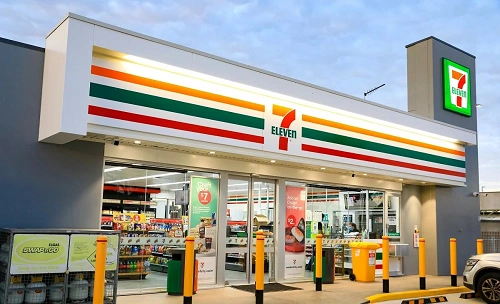
About the 7-Eleven Brand
7-Eleven offers packaged foods, beverages, snacks, bakery items, dairy essentials, ready-to-eat meals and daily-need products. It’s built on convenience shopping — quick access, compact layout, extended hours and impulse-buy items. For franchise owners, this means steady footfall from office-goers, students, commuters and nearby residents.
Is 7-Eleven a Franchise or Company-Owned Model in India?
7-Eleven operates in India through a franchise-operated model under Reliance Retail. Investors can run stores under the brand name while following strict guidelines for store layout, product standards, operations and service.
Total 7-Eleven Franchise Cost in India
Depending on store size and location, investment generally falls into these ranges:
- Small to Medium Convenience Store: ₹30–50 lakh
- Large High-Street or Premium Location Store: ₹50–75 lakh
Most new stores fall within ₹30–50 lakh.
7-Eleven Franchise Cost Breakdown
- Franchise Fee: ₹3–6 lakh
- Interiors & Store Fit-Out: ₹10–20 lakh
- Refrigeration Units, Shelving & Display Fixtures: ₹5–10 lakh
- Billing, Software & Security Systems: ₹1–3 lakh
- Initial Inventory & Stock Purchase: ₹5–10 lakh
- Branding & Signage: ₹1–2 lakh
- Staff Hiring & Training: ₹1–2 lakh
- Working Capital Reserve: ₹3–5 lakh
- Rental Deposit / Advance: Varies by city
Total startup cost for a standard store is typically ₹30–50 lakh.
Space & Location Requirement
- Recommended Store Area: 500–1,000 sq ft
- Ideal Locations:
- High-street markets
- IT parks and office zones
- Residential neighbourhoods
- College areas
- Transport hubs
Convenience stores often perform best in areas with impulse-buy behaviour and high daily footfall.
7-Eleven Franchise Profit Margin & ROI
A 7-Eleven outlet can generate steady revenue with good management and location:
- Monthly Revenue: Depends on footfall, typically strong near offices or metros
- Net Profit Margin: 10%–20%
- Net Monthly Profit: Varies widely by city and store size
- ROI Period: 18–30 months for most standard outlets
Success depends on consistent sales volume and efficient stock turnover.
Royalty & Ongoing Charges
7-Eleven normally charges:
- Royalty Fee: A percentage of monthly sales
- Marketing Fee: For national promotions
Franchise owners must handle:
- Rent and utilities
- Staff salaries
- Stock replenishment
- Electricity for refrigeration
- Store maintenance
Efficient inventory management is important to maintain margins.
Support Provided by 7-Eleven
7-Eleven offers comprehensive support, including:
- Store design and layout guidance
- Equipment specification and vendor support
- Staff training for operations, billing and hygiene
- Product sourcing and supply-chain coordination
- Marketing support and seasonal promotions
- Pre-launch and post-launch operational assistance
This ensures even first-time retail entrepreneurs can run stores effectively.
Who Should Invest in a 7-Eleven Franchise?
- Investors with ₹30–50 lakh capital
- Entrepreneurs interested in modern retail and convenience stores
- People with access to high-footfall locations
- Individuals ready for daily store management
- Those wanting a steady, volume-based retail business
Not ideal for someone seeking low involvement or very low investment.
Risks & Challenges
- Slim margins on many FMCG products
- Dependence on footfall and impulse purchases
- Higher electricity costs due to refrigeration
- Competition from small kirana stores, supermarkets and online quick-commerce brands
- Need for strong stock control to avoid wastage
Good location and efficient operations help overcome these challenges.
How to Apply for a 7-Eleven Franchise
- Submit franchise enquiry with investment and location details
- Get location assessed for feasibility
- Undergo financial and background verification
- Sign franchise agreement
- Set up interiors, equipment and inventory
- Train staff as per brand standards
- Launch store with brand support
Conclusion
7-Eleven offers a strong modern-retail business opportunity for entrepreneurs with ₹30–50 lakh investment capacity. With its convenience-store model, trusted brand and growing presence in Indian cities, it can be a profitable venture if located in a high-traffic zone and managed efficiently. Success depends on daily footfall, strong inventory control and maintaining consistent service standards.