Vinyl windows — often used interchangeably with UPVC in casual conversation, though technically a broader category of PVC-based window products — compete directly with aluminium in the value-conscious segment of the Indian window market. Both materials have carved out significant market share in India’s residential construction boom, and manufacturers on both sides continue to innovate on performance and finish options. Understanding how the two differ in performance and price helps buyers make a more informed choice for their specific project. This comparison covers the key decision factors in detail.
Understanding the Materials
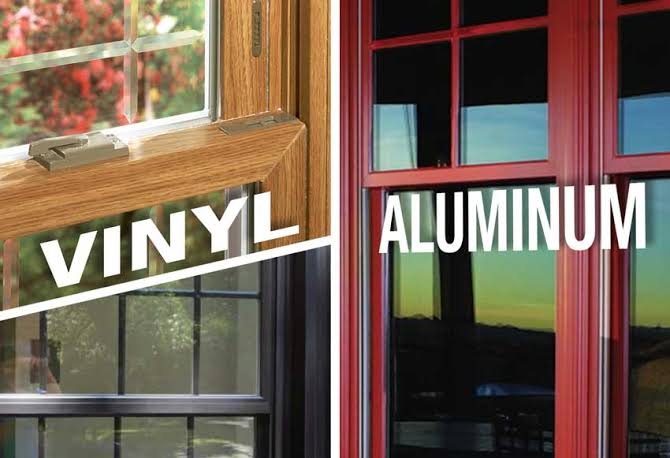
Vinyl windows are made from PVC-based compounds, prized for their insulation properties and affordability, and are moulded rather than extruded like aluminium. Aluminium windows are fabricated from extruded metal profiles, valued for their strength, slim sightlines, and long-term durability. The fundamental difference in manufacturing process shapes many of the performance differences discussed below.
Thermal Insulation
Vinyl has a clear natural advantage in thermal insulation, as PVC is a poor conductor of heat, helping maintain stable indoor temperatures with lower reliance on heating or cooling systems. Standard aluminium conducts heat readily and requires thermal break technology to compete on insulation performance, adding to its cost when insulation is a priority.
Strength and Structural Capability
Aluminium significantly outperforms vinyl in raw structural strength, allowing for larger window spans and slimmer frame profiles without compromising stability. Vinyl frames need to be bulkier to achieve adequate structural strength, which can limit design options for larger openings or contemporary architectural styles favouring expansive glazing.
Cost Comparison
Vinyl windows are typically the more budget-friendly option upfront, which explains their popularity in cost-sensitive residential projects and mass housing developments. Aluminium’s pricing varies more widely — basic fabrication can be competitively priced, while premium system windows with thermal breaks command a noticeably higher cost, positioning aluminium more firmly toward the mid-to-premium segment overall.
Durability and Lifespan
Both materials offer good durability, but they age differently. Aluminium maintains its structural integrity and finish over many decades, particularly with quality powder coating or anodising. Vinyl can become brittle or discoloured after prolonged UV exposure over 15-20+ years, particularly lower-quality formulations, though modern UV-stabilised vinyl compounds have improved significantly in recent years.
Maintenance Needs
Both materials are relatively low-maintenance compared to wood, requiring mainly routine cleaning. Aluminium’s finish is more resistant to long-term colour fading, while vinyl, especially in darker colours, can be more prone to fading or heat absorption issues in intense sun exposure, which is a relevant consideration in India’s climate.
Aesthetic and Design Flexibility
Aluminium offers a sleeker, more contemporary look with a broader range of finishes, including anodising and custom powder-coat colours, well suited to modern architecture. Vinyl is typically available in a narrower colour range, most commonly white or light tones, though laminated and wood-grain finishes have expanded vinyl’s aesthetic options in recent years.
Recyclability and Environmental Considerations
Aluminium is highly recyclable without losing structural quality, and a significant portion of aluminium used in construction already comes from recycled sources. Vinyl recycling is technically possible but far less established in India’s current recycling infrastructure, meaning most vinyl window waste is more likely to end up in landfills at the end of its lifecycle.
Impact and Wind Load Resistance
Aluminium’s superior structural rigidity gives it a clear advantage in high wind-load regions or areas prone to severe storms, since the frame maintains its shape and sealing integrity under greater pressure. Vinyl frames, while adequate for standard conditions, can be more prone to flexing or bowing under extreme wind loads over large spans, which is a relevant consideration for coastal properties or upper-floor installations in high-rise buildings.
Warranty and Long-Term Support
Aluminium system window brands in India often provide more established, longer-duration warranties, backed by a mature manufacturing and service network that can support claims and repairs efficiently. Vinyl window warranties can vary considerably by manufacturer, and buyers should carefully check the specific terms, since some budget vinyl products offer shorter or more limited coverage compared to established aluminium system brands.
Impact on Window Hardware Longevity
Aluminium’s structural rigidity provides a more stable base for hinges, locks, and handles, which can extend hardware lifespan and maintain smoother operation over many years. Vinyl’s relative flexibility can occasionally lead to minor hardware misalignment over very long periods, particularly in larger window units, though quality vinyl systems with reinforced frames largely mitigate this concern for standard residential sizes.
Checking Local Vinyl Quality Standards
Since vinyl window quality can vary significantly between manufacturers, particularly regarding UV stabilisation and reinforcement quality, it’s worth requesting product certifications or performance data before committing to a large order. Reputable vinyl suppliers should be able to provide test results for weathering, impact resistance, and thermal performance, giving buyers more confidence in long-term durability claims.
Conclusion
Vinyl windows offer strong value for budget-conscious, insulation-focused residential projects, while aluminium delivers superior structural strength, design flexibility, and long-term aesthetic durability for buyers willing to invest a bit more upfront. Your choice should hinge on whether your priority is minimising initial cost and maximising insulation, or achieving a more premium look with greater long-term structural reliability.