Lord Shiva is worshipped across India in countless forms, but the 12 Jyotirlingas hold a place of exceptional importance in Hindu spirituality. The word Jyotirlinga combines Jyoti, meaning divine light, with Linga, the sacred symbol of Shiva. Hindu tradition associates these shrines with places where Mahadev manifested in a radiant, divine form.
What makes the Jyotirlinga Yatra extraordinary is its geographical spread. The journey takes devotees from the snow-covered Himalayas of Uttarakhand to the sacred shores of Rameswaram, from ancient Kashi to the forests of Maharashtra and from Gujarat’s Arabian Sea coast to the Nallamala Hills of Andhra Pradesh.
Each shrine carries its own legend, architectural character and centuries-old traditions. Together, they create one of India’s greatest spiritual pilgrimage circuits. Here are the 12 Jyotirlinga temples every Shiva devotee and spiritual traveler should know about.
1. Somnath Jyotirlinga – Gujarat
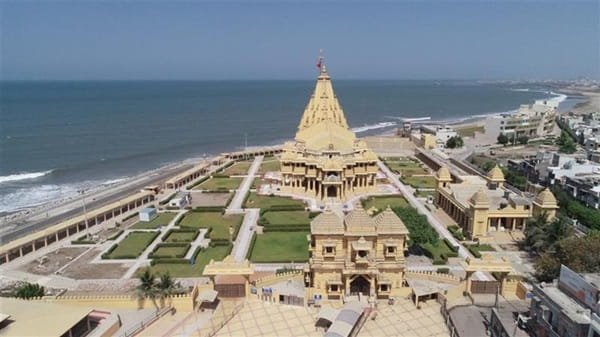
Standing beside the Arabian Sea at Prabhas Patan near Veraval, Somnath is traditionally regarded as the first among the 12 Jyotirlingas. According to legend, Chandra or the Moon God worshipped Shiva here to free himself from a curse.
The present temple displays impressive traditional architecture with an imposing shikhara facing the open sea. Somnath is equally remembered for its extraordinary history of destruction, reconstruction and revival.
The cooler months from October to February are comfortable for travel. Maha Shivratri and Kartik Purnima bring a particularly devotional atmosphere. Somnath has its own railway station, while road connections are available from major Gujarat cities.
2. Mallikarjuna Jyotirlinga – Srisailam, Andhra Pradesh
The sacred Mallikarjuna Swamy Temple rises amid the beautiful Nallamala Hills at Srisailam. Lord Shiva is worshipped as Mallikarjuna, while Goddess Parvati is worshipped as Bhramaramba.
A popular legend connects the shrine with Shiva and Parvati visiting their son Kartikeya after he withdrew to a mountain. Srisailam is particularly significant because the region is associated with both a Jyotirlinga and a Shakti Peetha tradition.
Its stone architecture, sculpted walls and forested surroundings create a powerful spiritual setting. Winter is comfortable for visiting, while Maha Shivratri attracts large gatherings. Hyderabad is a major air gateway for travelers proceeding to Srisailam by road.
3. Mahakaleshwar Jyotirlinga – Ujjain, Madhya Pradesh
Few Shiva experiences are as intense as early morning worship at Mahakaleshwar Temple in Ujjain. Situated near the sacred Shipra River, the shrine is famous for its Dakshinamukhi, or south-facing, form of Mahakal.
The temple’s celebrated Bhasma Aarti is one of its most distinctive rituals and draws devotees from across India. Mahakal represents Shiva as the master of Kaal—time and death.
October to March offers pleasant weather, though Sawan and Maha Shivratri have unmatched religious energy. Ujjain is well connected by rail and road, while Indore provides the nearest major airport.
4. Omkareshwar Jyotirlinga – Madhya Pradesh
Omkareshwar stands on Mandhata Island in the Narmada River in Madhya Pradesh. Tradition associates the shape of the sacred island with the holy symbol “Om”, giving the pilgrimage an especially symbolic character.
The temple follows North Indian architectural traditions and includes a sabha mandap supported by rows of stone pillars. Many pilgrims also visit the nearby Mamleshwar Temple as part of their spiritual journey.
October to March is particularly pleasant. Maha Shivratri and Sawan attract heavy pilgrim traffic. Indore is the principal nearby airport, with onward road and rail connections towards the Omkareshwar region.
5. Kedarnath Jyotirlinga – Uttarakhand
At about 3,580 metres in the Garhwal Himalayas, Kedarnath offers perhaps the most dramatic setting of all the Jyotirlingas. Massive Himalayan peaks rise behind the ancient stone temple while the Mandakini valley spreads below.
Kedarnath is part of both the Char Dham Yatra and the Panch Kedar tradition. According to the well-known Mahabharata legend, the Pandavas sought Shiva here after the Kurukshetra war. Shiva assumed the form of a bull, and his hump is traditionally associated with Kedarnath.
The shrine remains accessible only during its annual pilgrimage season. Visitors should prepare carefully for cold weather, high altitude and the trek. The road journey generally leads towards Gaurikund, from where the pilgrimage continues on foot or by approved local services.
6. Bhimashankar Jyotirlinga – Maharashtra
Surrounded by the green Sahyadri ranges of Maharashtra, Bhimashankar combines pilgrimage with forest scenery. The temple is traditionally associated with legends of Shiva defeating powerful demonic forces.
Architecturally, the shrine reflects Nagara-style elements and features old stone carvings. Its setting near the Bhimashankar Wildlife Sanctuary makes the journey particularly attractive for nature-loving pilgrims.
The post-monsoon and winter months are ideal for comfortable travel, although the rains transform the Western Ghats into a spectacular green landscape. Maha Shivratri and Sawan are important pilgrimage periods. Pune is the major transport hub.
7. Kashi Vishwanath Jyotirlinga – Varanasi, Uttar Pradesh
In the spiritual heart of Kashi, Lord Shiva is worshipped as Vishwanath—the Lord of the Universe. Kashi Vishwanath Temple stands close to the sacred Ganga and forms the centre of one of Hinduism’s most revered pilgrimage traditions.
Its golden spire and domes give the shrine a distinctive identity. The modern Kashi Vishwanath Dham corridor has also transformed access between the temple area and the Ganga ghats. A visit becomes even more memorable when combined with a boat ride and evening Ganga Aarti.
Varanasi can be visited throughout the year, though October to March is comfortable. Maha Shivratri and Sawan transform the entire city into a celebration of Mahadev. The city has excellent air and rail connectivity.
8. Trimbakeshwar Jyotirlinga – Maharashtra
Set near the Brahmagiri Hills about 28 km from Nashik, Trimbakeshwar occupies a beautiful landscape associated with the origin region of the sacred Godavari River.
Its legends are closely connected with Sage Gautama and his devotion to Lord Shiva. The temple’s dark stone construction, traditional Nagara architecture and mountain backdrop create a solemn appearance.
Nashik serves as the main transport base. October to February generally provides comfortable weather, while Maha Shivratri and the holy month of Sawan draw large numbers of devotees. Trimbakeshwar is also connected with Nashik’s wider Kumbh pilgrimage tradition.
9. Baidyanath Jyotirlinga – Deoghar, Jharkhand
Baba Baidyanath Dham at Deoghar is one of eastern India’s most important Shiva pilgrimage centres. A famous legend connects the shrine with Ravana, whose intense penance pleased Lord Shiva.
The word Vaidya means healer or physician, and the deity is worshipped here as Baidyanath. The temple complex has a strong traditional character and remains especially vibrant during Shravan, when Kanwariyas arrive in enormous numbers.
Deoghar has its own airport, while Jasidih is another important rail gateway for pilgrims. Those seeking relatively quieter Darshan may prefer the cooler months outside the peak Sawan pilgrimage period.
10. Nageshwar Jyotirlinga – Gujarat
Located in Devbhoomi Dwarka, Nageshwar Jyotirlinga combines Shiva devotion with Gujarat’s famous Dwarka pilgrimage circuit.
According to a traditional legend, a devotee named Supriya was imprisoned by the demon Daaruka. His chanting of “Om Namah Shivaya” invoked Lord Shiva, who appeared and protected him.
The temple has a spacious modern complex, and the large Shiva statue outside has become one of its most recognisable sights. November to February offers comfortable weather. Maha Shivratri is celebrated with great devotion. Dwarka is the convenient rail and road base for reaching Nageshwar.
11. Ramanathaswamy Jyotirlinga – Rameswaram, Tamil Nadu
Ramanathaswamy Temple stands on Rameswaram Island, linking Shiva worship with the sacred story of the Ramayana. Tradition holds that Lord Rama worshipped Shiva here, making the shrine an extraordinary meeting point of Shaiva and Vaishnava devotion.
The temple is celebrated for its majestic corridors, sculpted pillars and 22 sacred theerthams, where pilgrims traditionally perform ritual bathing before Darshan.
October to March is comfortable for sightseeing and pilgrimage. Rameswaram has its own railway station, while Madurai is the nearest major airport. Maha Shivratri remains one of the most important occasions for worship.
12. Grishneshwar Jyotirlinga – Maharashtra
Located at Verul near the Ellora Caves, Grishneshwar is traditionally listed as the final Jyotirlinga in the sacred sequence. Its legends celebrate deep devotion to Lord Shiva and the triumph of faith over suffering.
The temple is constructed from reddish stone and features richly carved walls, sculpted pillars and a striking multi-tiered shikhara. Its proximity to the UNESCO-listed Ellora Caves allows pilgrims to combine spirituality with an outstanding heritage experience.
October to March is the most comfortable travel period. Maha Shivratri draws large crowds. Chhatrapati Sambhajinagar is the main airport and railway gateway.
Quick Travel Guide to the 12 Jyotirlingas
| Temple Name | State | Highlight / Key Feature | Best Season |
| Somnath | Gujarat | First Jyotirlinga, Arabian Sea coast | Oct–Feb |
| Mallikarjuna | Andhra Pradesh | Nallamala Hills, Bhramaramba shrine | Oct–Feb |
| Mahakaleshwar | Madhya Pradesh | Dakshinamukhi Jyotirlinga, Bhasma Aarti | Oct–Mar |
| Omkareshwar | Madhya Pradesh | Sacred Narmada island | Oct–Mar |
| Kedarnath | Uttarakhand | Himalayan Jyotirlinga, Char Dham | May–Oct* |
| Bhimashankar | Maharashtra | Sahyadri forests | Oct–Feb |
| Kashi Vishwanath | Uttar Pradesh | Sacred Kashi and Ganga | Oct–Mar |
| Trimbakeshwar | Maharashtra | Brahmagiri Hills | Oct–Feb |
| Baidyanath | Jharkhand | Major Sawan pilgrimage | Oct–Mar |
| Nageshwar | Gujarat | Dwarka pilgrimage circuit | Nov–Feb |
| Ramanathaswamy | Tamil Nadu | 22 sacred theerthams | Oct–Mar |
| Grishneshwar | Maharashtra | Near Ellora Caves | Oct–Mar |
*Kedarnath opening and closing dates vary each year according to the pilgrimage calendar.
Practical Tips for Jyotirlinga Yatra
- Wear modest and comfortable clothing and follow each temple’s rules regarding footwear, mobile phones and photography.
- During Sawan, Maha Shivratri and major holidays, check accommodation and Darshan arrangements well in advance.
- For Kedarnath, physical fitness, warm clothing, suitable footwear and altitude precautions are especially important.
Conclusion
Visiting the 12 Jyotirlingas is more than completing a pilgrimage circuit. It is a journey through India’s mountains, rivers, ancient cities, forests, legends and living traditions. Whether you visit one shrine or dream of completing the entire Dwadasha Jyotirlinga Yatra, every Darshan offers a different experience of Mahadev.
Plan your journey with faith, patience and respect for each sacred place. Har Har Mahadev!