Air compressors are designed to handle demanding jobs, but excessive heat can quickly affect their efficiency and shorten their lifespan. Whether you are using a compressor in a workshop, factory, or industrial setting, overheating is one of the most common issues that can disrupt operations and lead to costly repairs.
The good news is that most overheating issues can be prevented with proper maintenance and suitable operating environments. By understanding what causes excess heat and how to control it, you can keep your compressor running smoothly for years.
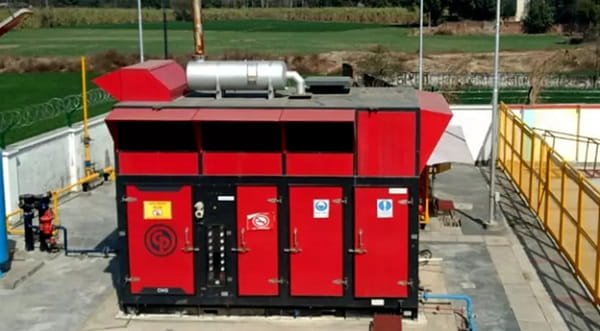
Why Air Compressors Overheat
Every air compressor naturally generates heat as it compresses air. Problems begin when the machine cannot cool itself properly or is forced to work harder than it should.
One of the biggest reasons behind overheating is high surrounding temperature. Compressors placed in cramped rooms, near heat-producing machinery, or under direct sunlight often struggle to maintain safe operating temperatures. Poor ventilation only makes the problem worse.
Low or degraded oil is another common issue. Compressor oil not only lubricates moving parts but also helps remove heat from the system. When oil levels drop, or the oil becomes dirty and thick, friction increases inside the machine, causing temperatures to rise rapidly.
Dirty filters and blocked cooling components can also restrict airflow. When airflow is limited, the compressor must work harder to produce the same amount of compressed air, resulting in higher operating temperatures.
Create the Right Environment for Your Compressor
The room where your compressor operates plays a major role in managing overheating of the compressor. A well-ventilated compressor room helps remove hot air and keeps fresh air circulating around the equipment.
The best way is to install compressors in open spaces with enough clearance around the unit. Avoid placing them near boilers, furnaces, or other machinery that produces heat. If possible, use ventilation ducts or exhaust fans to remove warm air from the room.
Keeping the room temperature under control is equally important. Extremely hot environments can force the compressor to operate beyond its designed temperature range, increasing wear on internal components.
Monitor Oil Levels Regularly
Lubrication is important in preventing overheating. Compressor oil reduces friction, cools moving parts, and prevents internal components from premature wear. Make it a habit to check oil levels frequently and replace the oil according to the manufacturer’s recommended schedule. If the oil appears dark, thick, or contaminated, it should be replaced immediately.
Keep Filters and Coolers Clean
Air filters, coolers, and ventilation openings collect dust and debris over time. When these parts become clogged, airflow is restricted, and heat builds up inside the compressor.
Routine cleaning can significantly improve cooling efficiency. Oil coolers and heat exchangers should also be cleaned to prevent blockages that trap heat inside the system.
Avoid Overloading the Compressor
Keeping your compressor running continuously without any breaks in between can push the compressor beyond its duty cycle. Excessive load causes internal temperatures to rise steadily, especially during peak production hours. If your compressor constantly runs at full capacity, it may be undersized for your air demand. Upgrading to a larger unit or adding another compressor can help distribute the workload more efficiently.
Pay Attention to Warning Signs
An overheating compressor often gives early warning signals before shutting down completely. Unusual noise, burning smells, vibration, slow pressure buildup, or extremely hot surfaces may indicate rising internal temperatures. Ignoring these signs can lead to severe damage, unexpected downtime, and expensive repairs.
Final Thoughts
Preventing air compressor overheating is mostly about consistency. Proper ventilation, clean components, quality lubrication, and regular inspections can dramatically improve performance and extend equipment life.
A compressor that operates within safe temperature limits will consume less energy, require fewer repairs, and deliver more reliable performance in the long run. By taking preventive steps today, businesses can avoid costly breakdowns and keep operations running without interruption.