Once you’ve settled on aluminium as your window material, choosing between casement and sliding configurations is one of the next key decisions. Both styles have distinct operational mechanics, and each suits different rooms, climates, and design priorities. This comparison breaks down how the two aluminium window styles differ in practice.
How Each Style Operates
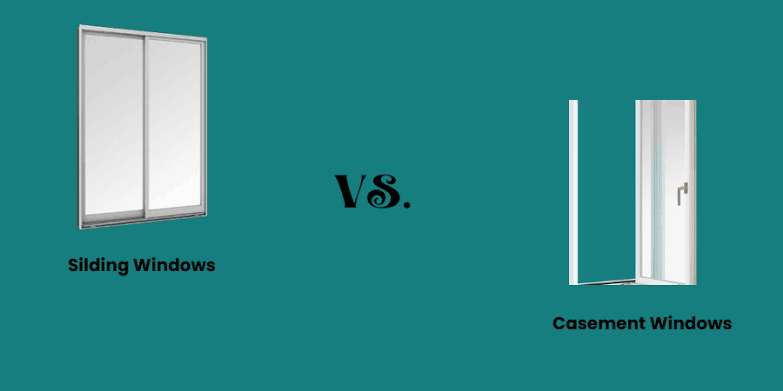
Casement windows are hinged at the side and open outward like a door, typically operated with a crank or handle mechanism. Sliding windows move horizontally along a track, with one or more panels sliding past a fixed panel, requiring no outward swing clearance at all. This fundamental mechanical difference shapes nearly every other point of comparison between the two styles.
Ventilation Performance
Casement windows generally offer superior ventilation, since they can open a full 90 degrees, allowing the entire window opening to catch and direct airflow into the room, including the ability to funnel breezes from an angle. Sliding windows typically allow only about half the opening to be used for ventilation at any time, since one panel always remains in place to cover the other half of the frame.
Sealing and Energy Efficiency
Casement windows tend to offer better sealing performance, since the sash presses firmly against the frame when closed, creating a tighter seal against air and water infiltration. Sliding windows, by design, require some clearance between the moving and fixed panels, which historically made them slightly more prone to draughts, though modern sliding systems with improved gaskets and multi-point locks have significantly closed this gap.
Space Requirements
This is where sliding windows have a clear advantage. Since they don’t swing outward, sliding windows are ideal for balconies, walkways, or any area where outward-opening obstructions would be impractical or unsafe. Casement windows need clear exterior space to open fully, which can be a limitation for tight balconies or windows facing narrow lanes and walkways.
Ease of Cleaning
Many casement window designs allow the sash to open a full 90 degrees or more, making it easy to clean both sides of the glass from inside the home. Sliding windows can be more challenging to clean on the exterior side, particularly for upper-floor installations, since the panel doesn’t offer the same inward or full-swing access that casement designs provide.
Design and Aesthetic Fit
Casement windows offer a classic, versatile look that suits both traditional and contemporary architecture, and their unobstructed glass area (without a central sliding track visible) can provide a cleaner sightline when closed. Sliding windows offer a distinctly modern, minimalist aesthetic and are especially popular for large balcony openings and contemporary apartment designs across urban India.
Cost Comparison
Sliding windows are often slightly more economical for larger openings, since they don’t require the hardware complexity of hinges, cranks, and multi-point locking mechanisms that casement windows typically use. Casement windows can involve marginally higher hardware costs, though the difference is usually modest and often outweighed by other project-specific factors like size and finish.
Best Applications for Each Style
Casement windows work particularly well for kitchens, bathrooms, and rooms where maximum ventilation and a tight seal are priorities. Sliding windows are the natural choice for balconies, verandas, and large living room openings where space efficiency and a modern look matter more than maximum airflow capture.
Hardware and Long-Term Maintenance
Casement windows rely on hinges, cranks, and locking hardware that, while generally durable, may require occasional lubrication or adjustment over many years of use to maintain smooth operation. Sliding windows have fewer moving hardware components overall, typically just rollers and a locking mechanism, which can mean marginally simpler long-term maintenance, though track cleanliness becomes more important to prevent debris from affecting the sliding action over time.
Weather Sealing in Heavy Rain
Casement windows, when properly closed, tend to offer superior protection against wind-driven rain, since the sash presses directly against the frame from multiple angles, closing off potential entry points more effectively. Sliding windows can be more susceptible to water infiltration during intense wind-driven monsoon rain if the track drainage system isn’t well-designed, making proper installation and quality track engineering especially important for sliding windows in India’s heavier monsoon regions.
Combining Styles Within a Single Home
Many contemporary Indian homes now mix both styles deliberately — casement windows in kitchens and bathrooms for ventilation and easy cleaning, sliding windows in living rooms and bedrooms opening onto balconies for space efficiency and a modern look. This hybrid approach, increasingly common in architect-designed homes, allows each room to use the window style best suited to its specific function rather than applying a single style uniformly throughout the property.
Considering Child Safety Features
For homes with young children, casement windows can be fitted with restrictor stays that limit how far the window opens, providing a safety feature that’s harder to replicate with sliding designs. Sliding windows can be fitted with track locks that limit the sliding distance, offering a comparable safety measure, so both styles can be adapted for child safety with the right accessories.
Conclusion
Both casement and sliding aluminium windows have clear strengths suited to different rooms and priorities. Casement windows excel in ventilation, sealing, and ease of cleaning, making them ideal for kitchens and bathrooms, while sliding windows excel in space efficiency and modern aesthetics, making them the preferred choice for balconies and large living spaces. Many homes benefit from using both styles strategically across different rooms rather than committing to just one throughout the property.