Fiberglass windows are a relatively newer entrant in the Indian fenestration market, offering a compelling combination of strength and insulation that positions them as a premium alternative to both aluminium and UPVC. As awareness grows, more architects and homeowners are weighing fiberglass against established aluminium systems. This article compares the two across the metrics that matter most for a real buying decision.
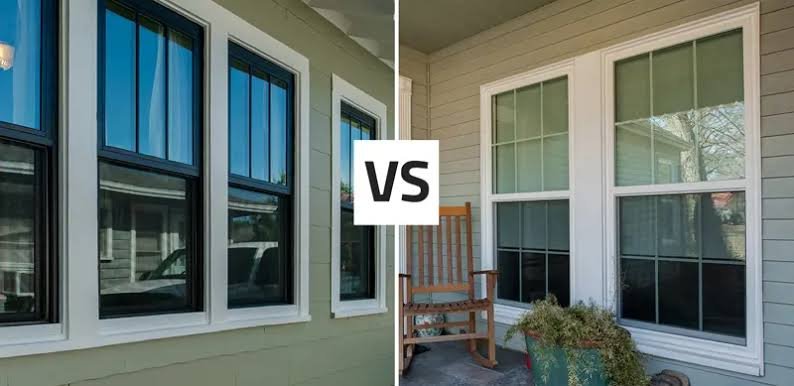
Material Composition and Strength
Fiberglass windows are made from woven glass fibers set in a resin matrix, giving them impressive strength and dimensional stability — they expand and contract far less than metal or wood in response to temperature changes. Aluminium, while also strong, has a higher thermal expansion rate, which over many years and extreme temperature swings can subtly affect seal integrity if not properly engineered.
Thermal Insulation Performance
Fiberglass has a notable edge here, offering significantly better natural thermal insulation than standard aluminium due to its lower thermal conductivity. This makes fiberglass an attractive option in regions with extreme temperature variations. Aluminium can close this gap with thermally broken profiles, but even then, fiberglass often retains a slight performance advantage in pure insulation terms.
Durability and Weather Resistance
Both materials perform well against India’s climate extremes. Aluminium resists corrosion and does not rot, while fiberglass is similarly resistant to moisture, rot, and warping, and does not corrode. Fiberglass also holds paint and finishes exceptionally well over time without peeling, giving it strong long-term aesthetic durability comparable to, or in some respects exceeding, aluminium’s powder-coated finishes.
Design and Aesthetic Options
Aluminium offers a distinctly modern, slim-profile look with a wide range of powder-coated and anodised finishes, well suited to contemporary architecture. Fiberglass can be moulded and finished to mimic the appearance of painted wood or other materials while retaining low-maintenance properties, giving it slightly more aesthetic versatility for buyers wanting a more traditional look without wood’s maintenance burden.
Cost Comparison
Fiberglass windows are generally positioned at a premium price point in the Indian market, often exceeding standard aluminium and even premium aluminium systems in some cases, largely due to limited local manufacturing and a smaller supplier base compared to aluminium’s mature, competitive market. Aluminium offers a wider range of price points, from economical basic fabrication to premium system windows, giving buyers more flexibility to match their budget.
Market Availability in India
This is currently one of the biggest practical differentiators. Aluminium has a well-established, pan-India supply chain with numerous manufacturers, fabricators, and installers in virtually every city. Fiberglass window availability is more limited, concentrated among a smaller number of premium suppliers, which can mean longer lead times and fewer local service and installation options outside major metros.
Long-Term Value
Fiberglass’s dimensional stability and superior insulation can translate into long-term energy savings that partially offset its higher upfront cost, particularly in climate-extreme regions. Aluminium’s broader market maturity, wider price range, and easier serviceability make it a lower-risk choice for buyers who want certainty around installation quality, replacement parts, and long-term support.
Which Should You Choose?
If your project is in a region with extreme temperature swings and your budget allows for a premium material with best-in-class insulation and dimensional stability, fiberglass is worth serious consideration. If you value broader market availability, easier servicing, a wider range of price points, and proven long-term performance across India’s diverse climate zones, aluminium remains the safer and more accessible choice for most projects.
Installation and Servicing Considerations
Because aluminium fabricators and installers are present in nearly every Indian city, homeowners and builders can typically source quotes, installation, and post-installation servicing quickly and competitively. Fiberglass, being a newer and more specialised product in the Indian market, often requires working with a smaller pool of certified installers, which can mean less price competition and longer scheduling lead times, particularly outside major metropolitan areas.
Weight and Handling During Installation
Fiberglass is comparably lightweight to aluminium, and in some formulations even lighter, which can ease handling during installation, especially for large window units on upper floors. Aluminium’s established fabrication ecosystem, however, generally means installation teams have more accumulated experience and standardised processes for handling aluminium systems specifically, which can translate into fewer on-site errors for time-sensitive projects.
Regional Climate Suitability
Fiberglass performs particularly well in regions with dramatic day-to-night or seasonal temperature swings, such as parts of Rajasthan or the Himalayan foothills, where its dimensional stability prevents the expansion and contraction issues that can affect metal frames over extreme temperature ranges. In more climatically stable regions such as coastal South India, this particular advantage becomes less critical, narrowing the practical performance gap with well-engineered aluminium systems.
Growing Adoption in Indian Green Buildings
As sustainability certifications gain importance in Indian commercial real estate, fiberglass has started appearing more frequently in specification documents for green-rated buildings, owing to its strong insulation performance and long service life. This trend suggests fiberglass’s market share may grow over the coming years, even though aluminium currently remains the more commonly specified material across most project types.
Conclusion
Fiberglass offers genuine performance advantages in insulation and dimensional stability, but aluminium’s market maturity, broader price range, and nationwide availability keep it the more practical choice for the majority of Indian homeowners and builders today. As fiberglass supply chains develop further in India, this comparison may shift, but for now aluminium remains the more accessible option without a significant compromise in quality.