Choosing between aluminium and UPVC windows is one of the most common decisions homeowners and builders face when finalising a project in India. Both materials have replaced traditional wood and steel windows in modern construction, and both come with genuine strengths. The right choice depends less on which material is objectively ‘better’ and more on which one fits your climate, budget, and design priorities. This article breaks down the comparison across the factors that matter most in practice.
Strength and Structural Performance
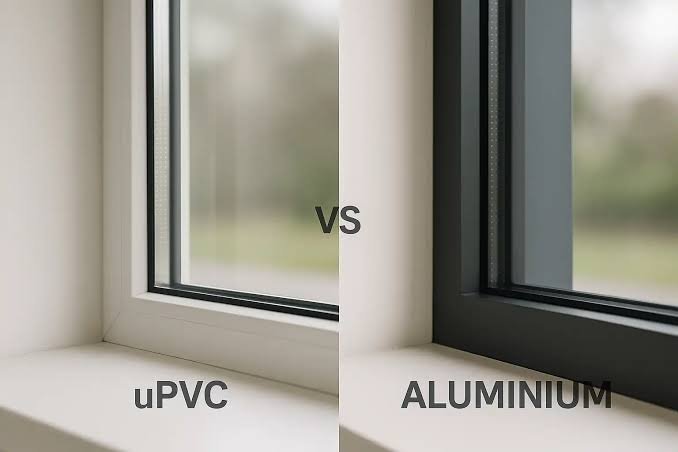
Aluminium has a superior strength-to-weight ratio compared to UPVC, which allows manufacturers to create slimmer frames that still support large glass panels. This makes aluminium the preferred choice for expansive windows, floor-to-ceiling glazing, and modern architectural facades. UPVC, while strong enough for standard residential window sizes, generally requires bulkier frames to achieve similar structural stability, which limits design flexibility for larger openings.
Thermal Insulation
This is where UPVC has a clear natural advantage. As a poor conductor of heat, UPVC keeps interior temperatures more stable, reducing heat gain in summer and heat loss in winter, which is particularly valuable in northern Indian regions with cold winters. Standard aluminium conducts heat readily, though this can be addressed with thermally broken aluminium profiles that insert an insulating barrier within the frame — at a higher cost.
Durability and Maintenance
Aluminium is highly resistant to corrosion, especially when anodised or powder-coated, and holds up well in coastal and humid environments without warping or degrading. UPVC is also low-maintenance and resistant to rot and termites, but prolonged exposure to intense UV radiation over many years can cause discolouration or brittleness in lower-quality UPVC profiles, whereas aluminium’s finish tends to remain stable for longer under harsh sun.
Aesthetics and Design Flexibility
Aluminium offers a sleeker, more contemporary look with narrow sightlines, and is available in a wide range of powder-coated colours and anodised finishes, making it popular for modern and premium architecture. UPVC frames are typically bulkier and offer fewer finish options, most commonly white, though wood-grain laminated finishes have become more available in recent years to mimic a warmer aesthetic.
Cost Comparison
UPVC windows are generally more affordable upfront for standard residential applications, which is a major reason for their popularity in the mass housing segment. Aluminium windows, particularly system windows with thermal breaks and premium finishes, tend to command a higher price, positioning them more firmly in the premium residential and commercial segment. However, basic aluminium fabrication without thermal breaks can be competitively priced against UPVC in some markets.
Sound Insulation
UPVC’s denser material composition gives it a natural edge in sound dampening, making it a strong choice for homes near busy roads, airports, or other noise-heavy environments. Aluminium, especially without thermal or acoustic seals, tends to transmit more external noise, though well-engineered aluminium system windows with quality gaskets can substantially close this gap.
Environmental Considerations
Aluminium is highly recyclable without losing structural quality, and much of the aluminium used in construction today comes from recycled sources, making it an appealing choice for environmentally conscious buyers. UPVC is also recyclable, but the process is more complex and less widely established in India, meaning most UPVC waste currently ends up in landfills rather than being reprocessed.
Which Should You Choose?
If your priority is thermal insulation, sound dampening, and lower upfront cost — particularly in colder climates or noise-sensitive locations — UPVC is likely the better fit. If your priority is architectural flexibility, a sleek modern look, and long-term durability in humid or coastal conditions, aluminium is the stronger choice, especially if you invest in thermally broken profiles to offset its natural conductivity. Many premium projects in India today use aluminium for facades and large openings while using UPVC selectively where insulation matters most, showing that the two materials are not mutually exclusive within a single project.
Fire Safety and Building Code Considerations
Aluminium is naturally non-combustible, which gives it an advantage in fire safety ratings and makes it a preferred choice for high-rise buildings and commercial projects where fire codes are strictly enforced. UPVC, being a plastic-based material, is more heat-sensitive and can soften or deform at high temperatures, which is a factor worth discussing with your architect if your project involves specific fire-rating requirements, particularly for buildings above a certain height.
Resale and Property Value Impact
Premium aluminium windows, particularly system windows from established brands, are often perceived as a stronger value-add for resale purposes, especially in higher-end residential markets where buyers associate slim aluminium profiles with contemporary, well-built homes. UPVC’s value perception varies more by region and buyer segment — while functionally excellent, it is sometimes viewed as a more budget-oriented choice in premium property markets, even though its performance credentials are strong.
Real-World Application Scenarios
Consider a coastal apartment in Mumbai facing direct sea-facing exposure: aluminium’s corrosion resistance makes it the more resilient long-term choice despite the higher cost. Now consider a home in Shimla dealing with cold winters and heating costs: UPVC’s natural insulation properties often make more financial sense over the property’s lifetime. These scenario-based comparisons are often more useful than a generic ‘which is better’ answer, since the right material genuinely depends on where and how the windows will be used.
Frequently Overlooked Factors
Beyond the headline factors of cost and insulation, buyers often overlook details like frame drainage design, which affects how well a window sheds water during heavy rain, and hardware quality, which can matter more for daily usability than the frame material itself. A mid-range aluminium window with excellent hardware can outperform a premium UPVC window with poor hardware in everyday use, so it’s worth evaluating the complete system rather than the frame material in isolation.
Conclusion
There is no universal winner between aluminium and UPVC windows — the right choice depends on your specific climate, architectural goals, and budget. Homeowners in colder, noise-sensitive regions with tighter budgets often lean toward UPVC, while those prioritising design flexibility, premium aesthetics, and long-term structural performance in humid or coastal areas tend to favour aluminium. Understanding these trade-offs clearly before you commit will save you from costly reconsiderations once installation is complete.