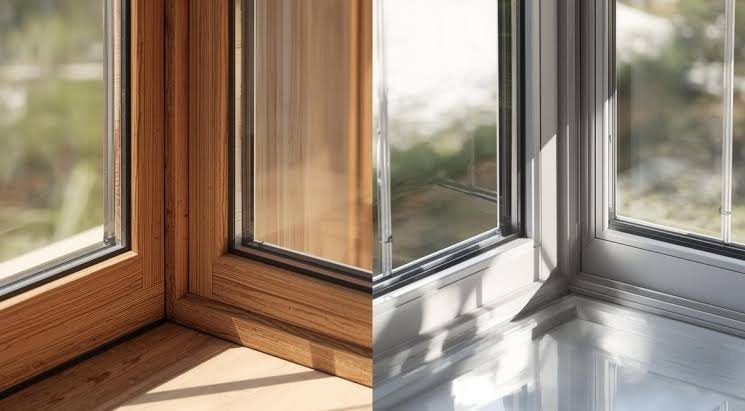
Wooden windows carry a timeless charm that has defined Indian homes for generations, while aluminium windows represent the modern, low-maintenance alternative that has taken over much of new construction. Choosing between the two often comes down to a trade-off between traditional aesthetics and practical, long-term performance. Both materials continue to find dedicated audiences across India’s residential market, from heritage bungalows to contemporary apartments, which is why this decision deserves careful, factor-by-factor consideration rather than a quick default choice. This comparison looks at how the two materials stack up across durability, maintenance, cost, and design.
Durability Against Indian Climate
Aluminium is naturally resistant to moisture, humidity, and termites — three of the biggest threats to window longevity in India’s varied climate. Wood, by contrast, is vulnerable to warping, swelling, and rotting in humid or monsoon-heavy regions, and is a prime target for termite infestation unless properly treated and maintained. Over a 15-20 year period, aluminium windows typically show far less structural degradation than untreated or poorly maintained wooden windows.
Maintenance Requirements
This is arguably the starkest difference between the two materials. Aluminium windows require minimal upkeep — occasional cleaning is usually sufficient to keep them looking and performing well for decades. Wooden windows demand regular maintenance, including periodic repainting or repolishing, termite treatment, and monitoring for moisture damage, particularly in humid coastal cities or during monsoon season.
Aesthetic Appeal
Wood offers a warm, natural, classic aesthetic that many homeowners associate with heritage and craftsmanship, and it remains a strong choice for traditional or heritage-style homes, havelis, and bungalows. Aluminium, while available in various finishes, delivers a distinctly modern, sleek look that suits contemporary architecture better than traditional design. Neither is objectively superior here — the right choice depends entirely on the architectural style you are working with.
Thermal and Acoustic Insulation
Wood is a naturally good insulator, offering solid thermal and acoustic performance without any additional engineering. Standard aluminium conducts heat and can transmit more external noise unless upgraded with thermal breaks and acoustic seals, in which case it can match or come close to wood’s natural insulation properties, albeit at extra cost.
Cost Considerations
High-quality solid wood, particularly hardwoods like teak or sal, can be considerably more expensive than standard aluminium, especially once you factor in the ongoing maintenance costs of wood over its lifetime. Aluminium’s higher upfront cost for premium systems is often offset by dramatically lower long-term maintenance expenses, making it more cost-effective over a 10-15 year horizon in most cases.
Structural Flexibility
Aluminium’s strength allows for slimmer frames and larger glass areas, supporting modern architectural trends toward expansive glazing. Wood requires thicker frame sections to achieve comparable structural strength, which limits how large a single wooden window unit can practically be without additional support.
Environmental Impact
Sustainably sourced wood is a renewable material and, when responsibly harvested, has a lower embodied energy footprint than aluminium, whose production is energy-intensive. However, aluminium’s high recyclability partially offsets this over its lifecycle, and using recycled aluminium significantly reduces its environmental impact compared to virgin material.
Making the Right Choice for Your Home
If your home follows a traditional, heritage, or rustic architectural style and you’re prepared for regular maintenance, wooden windows offer unmatched warmth and character. If you prioritise low maintenance, long-term durability against India’s climate extremes, and a modern aesthetic, aluminium is the more practical choice for most contemporary homes and commercial buildings.
Fire Resistance
Aluminium is non-combustible and holds up well under fire exposure, offering an important safety advantage, particularly in dense urban housing or commercial buildings. Wood, being a natural organic material, is inherently combustible, and while fire-retardant treatments can improve its safety profile, it will never match aluminium’s baseline fire resistance without additional chemical treatment and ongoing verification of that treatment’s effectiveness over time.
Resale Value and Buyer Perception
In many parts of urban India, buyers increasingly associate aluminium windows with modern, well-maintained construction, which can positively influence resale value in contemporary housing markets. Wooden windows, on the other hand, hold particular appeal in heritage or luxury segments where buyers specifically seek traditional character, meaning the resale value impact of either material depends heavily on the specific property type and target buyer demographic.
Impact on Home Insurance and Building Approvals
Some home insurance providers and municipal building approval processes in India increasingly factor in fire safety and structural material choices, which can indirectly favour aluminium’s non-combustible properties in certain jurisdictions or insurance categories. Wooden windows, particularly untreated ones, may occasionally require additional fire-safety documentation or treatment certificates depending on local building codes, especially in high-density urban developments.
Combining Wood and Aluminium in One Project
Some architects address the wood-versus-aluminium dilemma by using wood selectively for statement interior elements — a feature window, a reading nook, or an entrance door — while using aluminium for the bulk of the home’s standard windows. This hybrid approach allows homeowners to enjoy wood’s warmth where it matters most visually, without taking on its maintenance burden across every window in the house.
Conclusion
Wood and aluminium serve different priorities — one rooted in tradition and natural warmth, the other in modern practicality and durability. For most new residential and commercial construction in India today, aluminium’s low maintenance and climate resilience make it the more popular choice, while wood remains a strong option for those restoring heritage properties or building homes with a distinctly traditional character.