Burger Singh is one of India’s fastest-growing home-grown burger chains, known for blending Indian flavors with western-style burgers. Founded in 2014, the brand has expanded rapidly across metro cities as well as tier-2 and tier-3 towns. With affordable pricing and a youth-centric menu, Burger Singh has become a popular choice in the Indian QSR (Quick Service Restaurant) space. This rising popularity has made many investors curious about one key question: What is the real cost of opening a Burger Singh franchise in India?
In this article, we will explain the complete investment requirement, cost breakdown, space needs, profit potential, and whether this franchise is right for you.
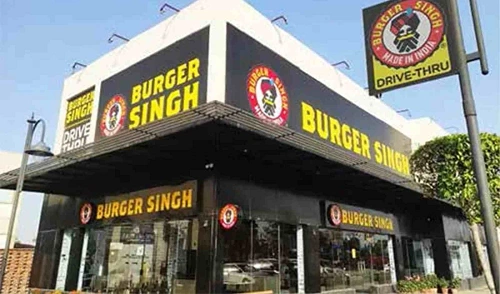
About the Burger Singh Brand
Burger Singh is an Indian fast-food brand specializing in burgers, fries, wraps, beverages, and quick snacks with Indian-style flavors. The brand focuses on mass-market affordability, quick service, and high repeat customer potential. Its biggest strength lies in its value-for-money pricing, strong branding, and adaptability to small and mid-size cities.
Is Burger Singh a Franchise or Company-Owned Model?
Burger Singh operates on a franchise-owned, franchise-operated (FOFO) model. Entrepreneurs can apply to open and run a Burger Singh outlet under the brand name.
The company provides brand support, menu standardization, training, and supply-chain integration, while the franchise owner manages daily operations, rent, staff, and local compliance.
Total Burger Singh Franchise Cost in India
The total investment required to open a Burger Singh outlet depends on the format you choose. On average, the cost ranges between ₹20 lakh to ₹50 lakh.
Small takeaway or food-court outlets usually fall at the lower end of this range, while full dine-in outlets in premium locations may require higher capital. The final figure depends on city, rental cost, store size, and interior standards.
Burger Singh Franchise Cost Breakdown
Here is a realistic breakdown of where the money usually goes:
- Franchise Fee: ₹5 lakh to ₹10 lakh
- Store Interior & Fit-Out: ₹10 lakh to ₹22 lakh
- Kitchen Equipment & Setup: ₹4 lakh to ₹7 lakh
- Initial Raw Material & Packaging Stock: ₹1 lakh to ₹3 lakh
- Licenses, POS & Registrations: ₹50,000 to ₹1 lakh
- Working Capital Reserve: ₹2 lakh to ₹5 lakh
- Security Deposit / Shop Advance: As per location
Together, these expenses typically place the total setup cost within the ₹20–50 lakh range.
Space & Location Requirement
Burger Singh outlets require different space depending on the format:
- Takeaway / Food-court Outlet: 150 to 300 sq. ft.
- Compact Dine-in Outlet: 300 to 600 sq. ft.
- Full-Scale Dine-in Outlet: 600 to 1,000+ sq. ft.
Ideal locations include busy market streets, shopping malls, near colleges, office areas, and high-footfall commercial zones. Good visibility and steady walk-in traffic are key to success.
Burger Singh Franchise Profit Margin & ROI
A well-run Burger Singh outlet can generate:
- Monthly Revenue: ₹5 lakh to ₹12+ lakh
- Net Profit Margin: 18% to 25%
This gives an estimated monthly profit of ₹90,000 to ₹3 lakh or more, depending on location and sales volume.
The expected return on investment (ROI) period is usually 18 to 36 months.
Burger Singh Franchise Royalty & Ongoing Charges
Burger Singh charges a one-time franchise fee at the time of setup.
Ongoing expenses include rent, staff salaries, electricity, raw material purchase, maintenance, and local taxes.
A royalty or revenue-sharing fee may apply based on the franchise agreement terms.
Support Provided by Burger Singh
Burger Singh provides strong franchise support, which includes:
- Store layout and interior design guidance
- Equipment and kitchen setup support
- Standard recipes and menu training
- Supply-chain and raw-material sourcing assistance
- Staff training programs
- Marketing and brand-level promotions
- IT systems and billing setup
However, daily store management and financial control remain the responsibility of the franchise owner.
Who Should Invest in a Burger Singh Franchise?
A Burger Singh franchise is suitable for individuals who:
- Have capital availability of ₹20–50 lakh
- Want to enter the organized fast-food sector
- Can manage staff and daily store operations
- Are ready for hands-on business involvement
- Prefer a scalable food business with strong brand value
It is not suitable for those looking for passive income without daily involvement.
Risks & Challenges to Consider
Like any food business, this franchise also has challenges:
- High dependence on location and footfall
- Rising rent and utility costs
- Staff management and retention issues
- Strong competition from local and national QSR brands
- Maintaining quality, hygiene, and speed of service consistently
Proper planning and strict cost control are necessary for long-term success.
How to Apply for a Burger Singh Franchise
Interested investors can apply through:
- Burger Singh’s official franchise enquiry platform
- Direct contact with the company’s franchise development team
- Authorized franchise consultants
After application, location analysis, financial screening, and agreement signing are completed before final approval.
Conclusion
The Burger Singh franchise in India is a mid-investment, high-potential business opportunity in the fast-food segment. With a total investment ranging from ₹20 lakh to ₹50 lakh, it offers strong growth prospects in both metro and non-metro cities. Its Indian-flavored menu, affordable pricing, and expanding brand presence make it attractive for long-term business growth. However, success ultimately depends on choosing the right location, maintaining food quality, controlling operational costs, and active daily management. For serious entrepreneurs willing to run the business hands-on, Burger Singh can become a profitable and scalable venture.

Santosh Kumar, the author behind IndiasStuffs.com, is passionate about sharing valuable insights on a variety of topics, including lifestyle, technology, and Indian culture.
Page Contents