DMart is one of India’s most trusted and fastest-growing retail supermarket chains, founded in 2002 by Radhakishan Damani. Known for its “Everyday Low Price” strategy, DMart has built massive customer trust across metro cities as well as tier-2 and tier-3 towns. Because of its strong brand value, steady footfall, and large-scale success, many investors are eager to know one thing: What is the franchise cost of DMart in India?
In this article, we will clearly explain the real business model of DMart, whether franchise is possible, and what investment options actually exist.
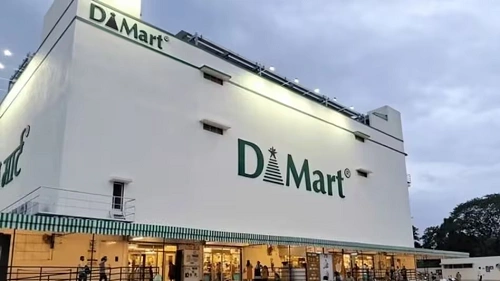
About the DMart Brand
DMart is a retail chain that sells groceries, fruits and vegetables, household goods, garments, kitchenware, and daily-use FMCG products. The brand is known for bulk buying, tight cost control, and high-volume sales at low margins. Its biggest strength is consistent daily customer traffic, loyal buyers, and strong offline retail dominance even in the age of online shopping.
Is DMart a Franchise or Company-Owned Model?
DMart operates strictly on a Company-Owned, Company-Operated (COCO) model.
This means DMart does NOT offer any franchise opportunities to individual investors or entrepreneurs. Every DMart store in India is fully owned and managed by the company itself.
There is no official franchise application, no franchise fee, and no partner-operated store format under the DMart brand.
Total DMart Franchise Cost in India
Since DMart does not follow a franchise model, there is no franchise cost in the traditional sense.
You cannot buy or operate a DMart store as a franchisee, regardless of how much capital you have. Any website or agent claiming to sell a DMart franchise is misleading.
DMart Investment Options Instead of Franchise
Although franchising is not available, individuals and businesses can still associate with DMart in two legal ways:
- Property Leasing Model – If you own a large commercial property, you can lease it to DMart for them to open their own store.
- Vendor / Supplier Partnership – Manufacturers, distributors, and wholesalers can supply products directly to DMart through registered vendor onboarding.
These are business partnerships, not franchise ownership.
Space & Location Requirement for DMart Store
Even though you cannot own a DMart store as a franchise, typical DMart store size usually ranges between:
- 30,000 to 100,000+ square feet
DMart prefers:
- Large residential catchment areas
- High population density zones
- Good road connectivity
- Long-term lease or owned property
- Parking availability
Store size and location play a major role in their business strategy.
Revenue & Profit Model of DMart Stores
DMart follows a high-volume, low-margin retail model. While exact store-level profits are not publicly disclosed:
- Revenue per large DMart store can run into several crores per month
- Net profit margins remain thin (around 6%–8%), but volume is extremely high
- Success is driven by rapid stock turnover and tight expense control
This model is built for company-scale operations, not individual franchise investors.
Royalty & Ongoing Charges
Since DMart does not offer franchise, there is:
- No franchise fee
- No royalty
- No revenue-sharing model
All retail operations, staffing, inventory, logistics, and financial control remain completely with the DMart company.
Support System at DMart
DMart internally manages:
- Supplier sourcing and logistics
- Warehouse and inventory management
- Store staffing and HR
- Pricing and purchasing strategy
- Billing systems and POS
- Marketing and in-store promotions
There is no external operational involvement by private investors at store level.
Who Can Work With DMart?
You can associate with DMart only if you are:
- A commercial property owner willing to lease long-term
- A product manufacturer, wholesaler, or distributor
- A transport or logistics service provider
- A service vendor related to retail infrastructure
You cannot own or operate a DMart outlet as a franchisee.
Risks of Claims About DMart Franchise
These are the key risks if someone promises a DMart franchise:
- There is no official DMart franchise scheme
- Payments to agents claiming franchise rights may be fraudulent
- No legal franchise agreement exists
- You may lose capital through misinformation
Always verify directly with DMart corporate channels.
How to Approach DMart for Business
If you want to work with DMart legitimately, you can:
- Approach DMart for property leasing proposals
- Apply as a product vendor or supplier
- Submit business proposals through official DMart corporate communication channels
These are the only genuine entry routes.
Conclusion
DMart is a powerful retail giant in India, but it does not operate on a franchise model. There is no DMart franchise cost, no franchise fee, and no investor-operated store format. All DMart outlets are fully company-owned and company-managed.
However, investors can still benefit indirectly by leasing large commercial properties to DMart or becoming registered suppliers. If your goal is to run a supermarket franchise as an owner, you should explore other retail brands that offer franchising. DMart remains an excellent brand — but not a franchise opportunity.

Santosh Kumar, the author behind IndiasStuffs.com, is passionate about sharing valuable insights on a variety of topics, including lifestyle, technology, and Indian culture.
Page Contents