Hindustan Petroleum Corporation Limited, commonly known as HPCL, is a government-owned company. It is not a private company.
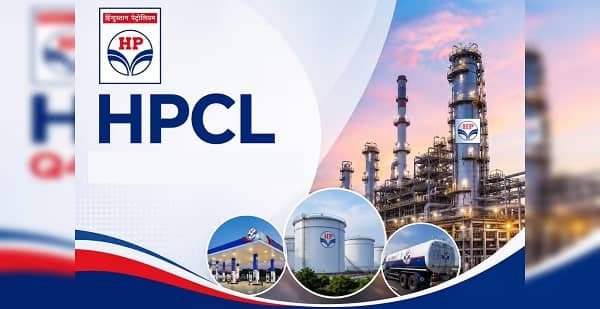
HPCL is one of India’s largest oil and gas companies and operates as a Public Sector Undertaking (PSU). The company is involved in fuel refining, petroleum production, fuel distribution, and energy infrastructure across India.
From petrol pumps to large oil refineries, HPCL plays a major role in India’s energy sector.
How HPCL Started
HPCL was formed in 1974 after the nationalization of Esso and Lube India by the Government of India.
The purpose behind creating HPCL was to strengthen India’s control over its petroleum sector and ensure stable fuel supply across the country.
Over time, the company expanded rapidly and became one of India’s leading oil marketing and refining companies.
Today, HPCL operates thousands of fuel stations and energy facilities nationwide.
Why HPCL is Considered a Government Company
HPCL is majority-owned by Oil and Natural Gas Corporation (ONGC), which itself is a government-owned PSU under the Government of India.
Because government-controlled organizations hold the majority ownership, HPCL is officially classified as a government PSU company.
Although HPCL shares are publicly traded in the stock market, the company remains under government control.
What Does HPCL Do?
HPCL works in several areas of the oil and energy industry.
Its operations include:
- Petrol and diesel distribution
- Oil refining
- LPG supply
- Aviation fuel services
- Lubricants and industrial oils
- Natural gas projects
- Pipeline infrastructure
- Renewable energy initiatives
The company supplies fuel to millions of vehicles, industries, airports, and households across India.
HPCL Structure and Identity
Here is a simple overview of HPCL:
| Feature | HPCL |
| Ownership | Government-controlled PSU |
| Type | Oil and gas public sector company |
| Established | 1974 |
| Parent Ownership | Controlled through ONGC |
| Main Sector | Petroleum and energy |
| Stock Market Status | Publicly listed PSU |
| Main Work | Fuel refining and distribution |
| Employee Type | Government PSU employees |
This structure makes HPCL one of India’s major state-owned energy companies.
Why HPCL is Important in India
HPCL plays a critical role in India’s fuel supply chain.
The company helps manage:
- Petrol and diesel supply
- LPG distribution
- Fuel transportation
- Industrial energy needs
- Aviation fuel services
Its network of petrol pumps and distribution systems reaches both urban and rural parts of India.
HPCL also contributes to India’s energy security by supporting domestic refining and fuel infrastructure.
Is Working at HPCL a Government Job?
Yes, jobs at HPCL are generally considered government-sector PSU jobs.
Employees usually receive benefits such as:
- Stable employment
- PSU salary structure
- Medical benefits
- Retirement and pension-related facilities
- Career growth opportunities
Because of these advantages, HPCL recruitment is highly competitive in India.
Does HPCL Compete with Private Companies?
Yes, HPCL competes with both public and private fuel companies.
Its major competitors include:
- Indian Oil Corporation
- Bharat Petroleum
- Reliance Industries
- Nayara Energy
Despite strong competition, HPCL remains one of the leading fuel brands in India.
Is HPCL Expanding Beyond Fuel?
Yes, HPCL is also investing in cleaner and future-focused energy sectors.
The company has shown interest in:
- Renewable energy
- Green hydrogen
- Electric vehicle charging infrastructure
- Natural gas projects
- Sustainable fuel technologies
This reflects India’s broader shift toward cleaner energy solutions.
Conclusion
HPCL is a government-owned PSU company, not a private company. Although its shares are publicly traded, the company remains under government control through ONGC and the Government of India.
With its large fuel distribution network, refining operations, and growing energy infrastructure, HPCL continues to be one of India’s most important oil and gas companies.