Delhi Metro, Mumbai Metro, Bengaluru Metro and other metro rail systems in India are mostly government-controlled public transportation systems. They are not fully private services.
However, the metro sector in India can sometimes involve both government and private participation depending on the city, project model, and operations. This is why many people get confused about whether metro systems are government or private.
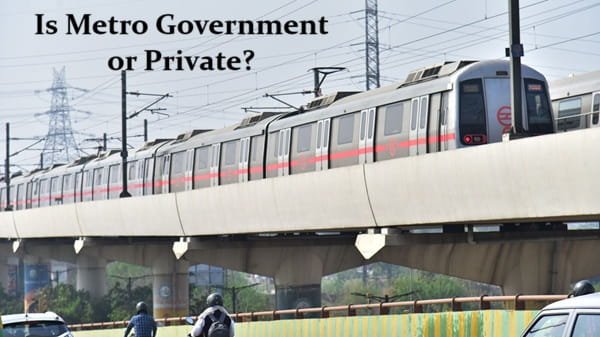
In most cases, Indian metro rail networks operate under government-backed organizations or public sector corporations.
How Metro Rail Started in India
India’s modern metro rail journey became widely recognized with the development of the Delhi Metro project.
Delhi Metro Rail Corporation (DMRC) was established in 1995 as a joint venture between:
- Government of India
- Government of Delhi
The Delhi Metro transformed urban public transportation in India and later inspired metro systems in many other cities.
Today, metro rail systems operate in cities such as:
- Delhi
- Mumbai
- Bengaluru
- Kolkata
- Hyderabad
- Chennai
- Kochi
- Lucknow
- Pune
- Nagpur
Metro rail has become an important part of India’s urban transport infrastructure.
Why Metro Systems Are Considered Government Projects
Most metro rail corporations in India are established and funded by:
- Central government
- State governments
- Public transport authorities
These projects usually receive government investment, land support, infrastructure funding, and administrative control.
Because of this structure, metro rail systems are generally classified as public transportation services rather than private businesses.
What Does Metro Rail Do?
Metro rail systems provide fast urban transportation within cities.
Their services include:
- Passenger transportation
- Urban traffic reduction
- Public transit connectivity
- Airport and railway connectivity
- Environment-friendly mass transport
- Daily commuting support
Metro systems are especially important in large cities facing traffic congestion and pollution problems.
Metro Rail Structure and Identity
Here is a simple overview of Indian metro systems:
| Feature | Indian Metro Rail Systems |
| Ownership Style | Mostly government-controlled |
| Type | Public urban transportation system |
| Main Sector | Mass rapid transit |
| Managed By | Metro rail corporations |
| Funding | Government and public infrastructure investment |
| Main Focus | Urban transportation |
| Operational Cities | Multiple Indian metro cities |
| Employee Type | Government, PSU, and contractual workforce |
This structure makes metro systems largely public-sector transportation projects.
Are All Metro Systems Fully Government-Owned?
Not always.
Some metro projects involve:
- Public-private partnerships (PPP)
- Private contractors
- Outsourced operations
- Private infrastructure participation
For example, certain metro lines or services may involve private companies in:
- Construction
- Ticketing systems
- Maintenance
- Train operations
- Advertising and commercial services
However, the core metro infrastructure is usually government-controlled.
Example of Government-Controlled Metro Systems
Some major government-backed metro organizations include:
- Delhi Metro Rail Corporation
- Bangalore Metro Rail Corporation Limited
- Mumbai Metro Rail Corporation
- Chennai Metro Rail Limited
These organizations operate under government supervision and public infrastructure systems.
Why Metro Rail Is Important in India
Metro systems play a major role in improving urban transportation.
They help:
- Reduce road traffic congestion
- Lower pollution levels
- Save travel time
- Improve public transport accessibility
- Support economic growth in cities
In major cities, millions of passengers depend on metro rail every day.
Is Working in Metro a Government Job?
In many cases, yes.
Jobs in metro rail corporations are often considered government-sector or PSU-linked jobs because the organizations are publicly controlled.
Employees may receive benefits such as:
- Stable employment
- PSU salary structures
- Technical and engineering career opportunities
- Government-linked work environments
However, some metro jobs may also be contractual or outsourced through private agencies.
So not every metro employee is necessarily a direct government employee.
Does Metro Compete With Private Transport?
Yes, metro systems compete with several forms of urban transportation such as:
- Private buses
- Taxi services
- Auto-rickshaws
- Ride-sharing apps
- Personal vehicles
However, metro rail mainly focuses on affordable and high-capacity public transport rather than commercial luxury transport.
Why Metro Systems Are Expanding Rapidly
Indian cities are expanding rapidly, and traffic problems are increasing every year.
Metro rail projects are growing because they provide:
- Faster daily commuting
- Cleaner transportation systems
- Reduced fuel consumption
- Better city connectivity
- Long-term urban transport solutions
Many new metro projects are currently under construction in different Indian cities.
Are Metro Services Profitable?
Metro rail systems are usually developed more for public infrastructure and urban development than pure profit-making.
Although ticket revenue is important, governments often support metro systems because they provide:
- Social benefits
- Reduced traffic pressure
- Economic productivity improvements
- Environmental advantages
Because of this, metro rail is often treated as essential public infrastructure.
Difference Between Government Metro and Private Participation
Here is a simple comparison:
| Area | Government Role | Private Participation |
| Metro infrastructure | Mostly government-funded | Limited participation |
| Land and planning | Government-controlled | Usually not primary role |
| Train operations | Mainly public corporations | Sometimes outsourced |
| Maintenance | Mixed model | Private contractors may help |
| Recruitment | Government and PSU style | Contractual staffing also used |
| Revenue systems | Public transport model | Commercial partnerships possible |
This mixed system is why people sometimes get confused.
Why People Trust Metro Rail
Many people prefer metro systems because of:
- Reliable timing
- Lower travel costs
- Safety and security
- Cleaner transportation
- Reduced traffic stress
- Comfortable urban travel
Metro rail has changed daily commuting in many Indian cities.
Conclusion
Metro rail systems in India are mostly government-controlled public transportation systems, not fully private services. Most metro corporations operate under central and state government ownership, although some projects involve private participation through contracts and partnerships.
With growing urban populations and transportation demands, metro rail continues to play a major role in India’s modern city infrastructure and public transport development.