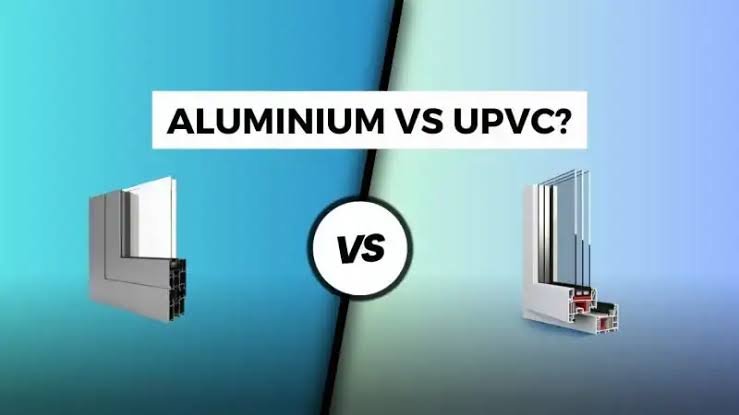
Sliding windows are among the most popular window styles in Indian homes, valued for their space efficiency and ease of operation. When choosing a sliding window system specifically, the aluminium-versus-UPVC decision takes on some nuances different from a general material comparison, since sliding mechanisms interact differently with each material’s properties. This article focuses specifically on how the two perform in sliding window applications.
Sliding Mechanism Performance
Aluminium’s strength allows sliding tracks to be built with slimmer, more precise components, often resulting in smoother, more durable sliding action over years of daily use. UPVC sliding windows, while generally reliable, can be more prone to track wear or minor sagging over very long periods, particularly in larger sliding panels, due to the material’s relatively lower structural rigidity compared to aluminium.
Space Efficiency
Both aluminium and UPVC sliding windows are inherently space-efficient since they don’t require outward swing clearance, making them ideal for balconies, verandas, and rooms with limited exterior space. Aluminium’s slimmer frame profiles can offer marginally more glass area for the same opening size compared to UPVC’s typically bulkier frames, which matters for maximising natural light and views.
Suitability for Indian Climate Zones
In India’s hot and humid coastal regions, aluminium’s corrosion resistance and durability make it a strong performer for sliding windows exposed to salt air and monsoon humidity. In northern India’s colder regions, UPVC’s superior thermal insulation gives it an edge for maintaining indoor comfort, particularly important for sliding windows, which have historically been more prone to air infiltration at the sliding interface than fixed or casement designs.
Weight and Ease of Operation
Aluminium’s lighter weight per unit strength makes larger sliding panels easier to operate smoothly, an important consideration for big balcony sliders or room-dividing sliding walls increasingly popular in modern Indian apartments. UPVC’s heavier composition can make very large sliding panels feel less effortless to operate, though standard residential window sizes rarely present a noticeable difference.
Sealing and Air-Tightness
Modern UPVC sliding systems have made significant improvements in sealing technology, using multi-point locking and improved gasket designs to reduce air infiltration, historically a weak point for sliding designs in general. Aluminium sliding systems have similarly advanced, with quality system brands offering comparable sealing performance, meaning the gap between the two on air-tightness has narrowed considerably in premium product lines from either material.
Cost for Sliding Applications
UPVC sliding windows tend to be more cost-effective for standard residential sizes, making them popular in mass housing and budget-conscious renovation projects. Aluminium sliding systems, particularly those with larger spans or premium finishes, command a higher price but often justify it through superior structural performance for oversized openings common in modern balcony and living room designs.
Noise Reduction
UPVC’s denser material naturally dampens sound better than standard aluminium, which matters for sliding windows facing busy roads or noisy neighbourhoods — a common concern in dense Indian cities. Premium aluminium sliding systems with acoustic glazing and quality seals can substantially close this gap, though at an additional cost compared to standard aluminium sliders.
Making the Right Choice
For standard residential balcony and window openings in noise-sensitive or colder regions, UPVC sliding windows typically offer the best balance of insulation, cost, and performance. For larger openings, coastal or humid regions, or projects prioritising a sleek modern aesthetic, aluminium sliding windows deliver superior structural performance and design flexibility, justifying their typically higher price point.
Popularity Trends Across Indian Cities
In coastal metros like Mumbai, Chennai, and Kochi, aluminium sliding windows remain the dominant choice for balconies and large openings, largely due to their proven resistance to salt-laden humid air. In northern cities such as Delhi, Lucknow, and Chandigarh, UPVC sliding windows have gained substantial market share in recent years, driven by growing awareness of their insulation benefits during increasingly extreme summers and cold winters.
Long-Term Track Durability
Aluminium sliding tracks, particularly in system window brands with hardened or specially treated running surfaces, tend to maintain smooth operation for longer periods under heavy daily use. UPVC tracks, while generally reliable for typical residential use, can show more wear over very high-frequency use cycles, making aluminium a marginally better choice for sliding doors or windows that see exceptionally frequent daily operation.
Balcony and Terrace Applications
Given how central balconies and terraces are to Indian apartment living, the sliding window choice for these spaces deserves particular attention. Aluminium’s ability to support larger spans makes it well suited to expansive balcony openings that maximise outdoor connectivity, while UPVC remains a strong choice for smaller balcony windows in colder cities where insulation matters more than maximising the size of the opening.
Choosing the Right Track and Roller System
Regardless of whether you choose aluminium or UPVC, the quality of the track and roller system has an outsized impact on how well a sliding window performs over time. Stainless steel or nylon rollers generally outlast basic plastic rollers, and tracks with proper drainage channels prevent water pooling during monsoon season, so it’s worth discussing these specifications directly with your fabricator rather than assuming all sliding systems are equivalent.
Conclusion
Both aluminium and UPVC sliding windows are well-suited to Indian homes, but the right choice depends heavily on your specific climate zone, opening size, and budget. Larger openings and coastal or humid climates favour aluminium’s structural strength and corrosion resistance, while smaller standard openings in colder or noise-sensitive regions often perform better with UPVC’s natural insulation and sound-dampening properties.