One week, a field is too dry to till easily. The next, rain leaves only a short window to prepare it for sowing. Indian farmers know that weather changes the order and timing of work. A tractor helps when it can handle the required implement on safe ground. Mahindra offers models for different farm sizes and jobs, including four-wheel-drive options. Understanding their limits helps farmers plan sensibly around changing weather.
Planning Work Around Rainfall
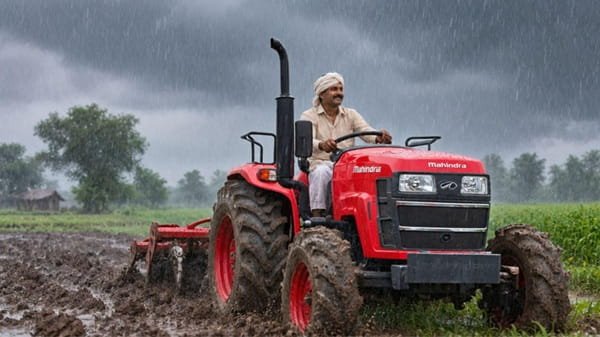
Before the monsoon, farmers may need to prepare land quickly. A suitable Mahindra tractor can pull a cultivator or operate a rotary tiller to loosen soil. A seed drill can then place seed at a more consistent depth than hand broadcasting, provided the tractor and drill are correctly matched.
The timing matters as much as the machine. Soil that sticks heavily to boots or tractor tyres may be too wet for ordinary tillage. Driving across it can create deep ruts and press soil together, making later fieldwork harder. Wait until conditions improve unless the task specifically requires a flooded field, such as puddling before paddy transplanting.
What Changes After a Shower?
- Check the field before driving in. Soft patches near drains may remain wet longer than higher ground.
- Review the local forecast. More rain could interrupt sowing or leave a trailer stranded.
- Adjust the job. Move to sheltered maintenance or transport work when field access is unsafe.
Working in Paddy Fields
Paddy preparation is one case where wet soil is part of the job. Puddling mixes soil and water before transplanting, and the tractor must keep moving while pulling the implement through soft ground.
Mahindra’s JIVO 365 DI 4WD Puddling Special is designed for this use. Its four-wheel drive supplies power to both axles, which can help with traction. Mahindra also lists position-auto control for managing puddling depth when paired with its compatible rotavator. These are model-specific features, so check the exact tractor and implement combination.
Even a paddy tractor can get stuck in unsuitable conditions. Walk the field, identify deep sections and keep clear of unstable bunds. Never assume four-wheel drive makes flooded routes safe.
Keeping Jobs Moving Through Dry Spells
Dry weather changes priorities. Farmers may need to carry water, prepare irrigation channels or finish soil work before the ground hardens further. The right farming tractor can support these jobs through compatible trailers, pumps or tillage implements. Which attachment works depends on the tractor’s power, power take-off and lifting capacity.
Power take-off, often called PTO, is the shaft that drives equipment such as a pump. Hydraulic lift raises and lowers an attached implement. Neither feature means every attachment will fit. Ask a dealer to confirm specifications and connections for the precise model.
When dust builds up, inspect the air filter and radiator as directed in the owner’s manual. A blocked filter can affect engine performance; dirt around the radiator can make cooling harder. Let hot parts cool before cleaning them.
Making Use of Short Harvest Windows
Unseasonal rain can threaten a crop that is ready to harvest. A tractor cannot stop rain, but it can help move cut produce or loaded trailers when roads and field tracks are firm enough. Some Mahindra models can also operate compatible threshers, which separate grain from harvested stalks.
The Mahindra 575 DI XP PLUS, for example, is listed with PTO drive, hydraulic lift and compatibility with implements including a thresher and tipping trailer. This describes one model, not the entire range. Check the implement’s power needs, permitted load and the tractor’s manual before use.
Speed is tempting when clouds gather, but securing a load and choosing a safe route remain essential. Do not drive onto waterlogged tracks simply to save a trip.
Matching Equipment to the Weather and Field
There is no single setup for all seasons. The useful question is what the farm needs most often, then which occasional jobs can be handled through a suitable attachment or hired machine.
| Field situation | Possible tractor job | Check before starting |
| Soil is workable before sowing. | Use a compatible cultivator or seed drill. | Check soil moisture and implement fit. |
| A paddy field needs puddling. | Use a tractor designed for wet-field work. | Check depth, bunds and ground stability. |
| Rain is forecast during harvest. | Move produce with a suitable trailer. | Check load limits and route conditions. |
| Dry weather raises dust. | Continue planned work after routine checks. | Inspect filters and cooling parts. |
Before ordering farm equipments, check whether each attachment suits your tractor and particular field during each season. Compatibility matters more than a long list of implements. A small farm with narrow access may need a different setup from a large field with heavy trailer work.
Caring for the Tractor After Weather Changes
Rain, mud and dust each leave different signs of wear. Regular checks help catch small problems before the next busy spell.
- After wet work, remove packed mud from accessible areas and check for damage. Follow the manual’s cleaning instructions.
- Before fieldwork, inspect tyres for damage and use the pressure recommended for the load and task.
- Check engine oil, coolant and other fluids at the intervals specified for the model.
- Test lights and brakes before road transport, especially during poor visibility.
- Arrange service when the manual calls for it, even if the tractor appears to run well.
Never reach near a moving PTO or clean an attachment while it is operating. Stop the engine and follow the manufacturer’s instructions before inspecting equipment.
Choosing What Works on Your Farm
A Mahindra tractor supports weather-sensitive work by pulling, lifting or driving suitable equipment when conditions allow. Four-wheel drive may help in soft paddy soil; a trailer may be more valuable when harvest needs moving. The best choice depends on crops, land size, access routes and the jobs you actually do. Compare model specifications with your implements, check the forecast and leave saturated or unsafe ground alone. Good timing protects the field and gives the tractor a better chance to do its job.