Astrology has held a visible place in Indian cultural life for centuries. Jyotish uses concepts such as grahas, rashis, nakshatras, dashas and divisional charts, while numerology, palmistry and Vastu Shastra follow their own traditions. Modern readers, however, increasingly look beyond dramatic claims. They often prefer disciplined chart interpretation, published work, transparent consultation and practical communication.
This list considers publicly checkable factors: years of practice where available, books or teaching work, association with established institutions, specialization, media presence and public accessibility. ‘Trusted’ here refers to professional reputation and visibility, not guaranteed predictive accuracy. The order is editorial rather than a scientific ranking, and every reader should independently assess a practitioner before booking.
1. K.N. Rao – Vedic Jyotish, Research and Teaching
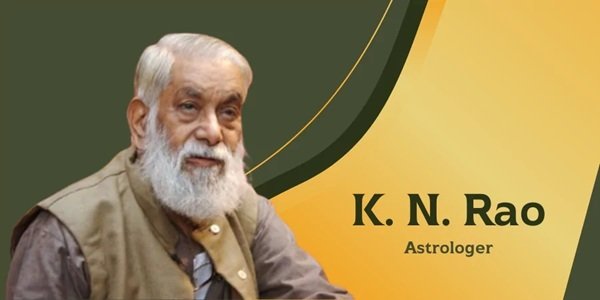
K.N. Rao is one of the most influential names in modern Indian Vedic astrology. Bharatiya Vidya Bhavan states that he started its present astrology course in New Delhi in 1987; the institute now carries his name. Rao learned astrology at a young age and later served in the Indian Audit and Accounts Service. He is closely associated with the Journal of Astrology and has written or guided many research-oriented works. His strongest public legacy is classical horoscope analysis, teaching and institutional study rather than mass-market consultation.
2. Pt. Sanjay Rath – Jaimini, Parashara and Classical Jyotish
Pt. Sanjay Rath comes from a traditional Jyotish family of Bira Balabhadrapur Sasan in Puri, Odisha. His official biography says he studied under Pandit Kasinath Rath, trained as a mechanical engineer and worked with the Government of India before devoting himself to Jyotish. He is especially associated with Jaimini Upadesa Sutras, Brihat Parashara Hora Shastra, divisional charts and dashas. His books include Crux of Vedic Astrology and Narayana Dasa. Rath teaches structured programmes and also undertakes consultation and international teaching.
3. Dr. Sohini Sastri – KP and Vedic Astrology
Kolkata-based Dr. Sohini Sastri works in Vedic astrology, KP astrology, palmistry, numerology and Vastu. Public profiles describe her as an associate member of the Astrological Association of Great Britain. She has published titles including A Complete Guide to Astrology and Handbook of Corporate and Professional Astrology. Her practice covers career, relationships, business and personal decision-making. Online, telephone and face-to-face consultation options are publicly promoted, making her accessible beyond Kolkata. Promotional award claims around her should be separated from independently verifiable professional information.
4. Pt. Ajai Bhambi – Vedic Astrology, Vastu and Nakshatra Practice
Pt. Ajai Bhambi has practiced astrology for roughly four decades, according to his official profile and publisher biographies. He has academic backgrounds in economics and law and has authored books such as Be Your Own Astrologer and works on Vastu. His public practice spans Vedic astrology, Vastu Shastra and Nakshatra Meditation. Bhambi has also maintained a long media presence and written for Indian publications. Consultation is offered to Indian and international clients for personal, professional and life-planning questions.
5. Umang Taneja – Nadi Astrology and Predictive Methodology
Umang Taneja is particularly known for teaching and writing on Nadi astrology. His published works include Nadi Astrology: Accurate Predictive Methodology, A Text Book of Astrology and books on significators, relationships and Prashna. His approach appeals to readers who prefer rule-based predictive frameworks rather than general horoscope writing. His platform offers books, courses and consultations. It would be subjective to call any one practitioner the ‘best’ Nadi astrologer, but Taneja is among the most visible contemporary Indian specialists devoted specifically to Nadi methodology.
6. Sanjay B. Jumaani – Astro-Numerology and Name Analysis
Sanjay B. Jumaani is one of India’s widely recognised numerology practitioners. His work focuses on birth numbers, names, spellings and numerological adjustments rather than classical Kundli interpretation. A Rediff profile documented his move from a long corporate career into professional numerology and noted work with business and entertainment clients. The Jumaani practice continues through a Mumbai office and online channels. He is especially relevant to people interested in personal names, business names, branding and numerological compatibility.
7. Pt. Umesh Chandra Pant – Vedic Astrology and Remedial Guidance
Delhi-based Pt. Umesh Chandra Pant says he has practiced professionally since 1988. His work covers Vedic Kundli analysis, career and business, marriage compatibility, Muhurta, Vastu and remedial astrology. Recent interviews and his consultation platforms describe a practical approach based on planetary periods and traditional chart interpretation. Clients can choose telephone, video or face-to-face sessions in Delhi. His long-running practice and clearly listed consultation formats make him a visible option for readers seeking broad-based Vedic guidance.
8. Dr. Sundeep Kochar – Vedic Astrology, Palmistry and Life Coaching
Dr. Sundeep Kochar has more than 26 years of public practice according to his official profile. He combines Vedic astrology with palmistry, face reading and life-coaching style consultation. He is particularly known for television; his website states that Kismat Ke Sitare ran for 2,740 episodes on Zee News and was recognised by the Limca Book of Records. Kochar offers online consultations for Indian and international clients, covering areas such as career, relationships, business and personal direction.
9. Anupam V. Kapil – Numerology, Palmistry and Astro-Vastu
Anupam V. Kapil is an astro-numerologist, palmist and author best known for Numerology Made Easy, published by Penguin. His profile also lists remedial astrology, Astro-Vastu, palmistry, body-language analysis and phonetic numerology. He has written astrology and numerology columns for The Times of India and has maintained a long media presence. Number analysis and name-related interpretation remain central to his public identity, while consultation details are publicly available through his website and media profiles.
10. Dr. Hemant Barua – System-Based Vedic Astrology and Ashtakavarga
Dr. Hemant Barua is associated with a calculation-heavy approach to Vedic astrology. His platform describes the method as combining divisional charts, Nakshatra analysis, Ashtakavarga and system-based horoscope interpretation. His website states more than 28 years of experience in teaching and consultation. He may appeal to readers who prefer structured chart analysis over generic sun-sign forecasts. Consultations can be booked through the Planets n Houses platform, including remote formats. Claims of predictive success, however, should be evaluated separately from documented experience and methodology.
How to Choose an Astrologer Responsibly
Check fees, consultation length, rescheduling terms and exactly what the session includes. Avoid guaranteed outcomes, fear-based dosha claims, pressure to buy costly gemstones or rituals, and anyone who discourages medical, legal or financial advice. Good guidance should leave the final decision with you.
Editorial Disclaimer and Conclusion
Astrology is a traditional belief-based interpretive practice and is not established as a predictive science by mainstream scientific evidence. It may be used for reflection or personal interest, but should not replace qualified medical, legal, mental-health or financial advice.
India’s astrology landscape includes classical Jyotish teachers, numerologists, Nadi specialists and media practitioners. The sensible choice depends less on fame than on method, transparency, communication and respect for the client’s independence.
Research Note: Profile details were checked against a mix of institutional pages, publisher records, established media profiles and practitioner websites. Promotional claims, especially awards and accuracy claims, were not treated as independently verified facts unless corroborated.