Indian fashion has moved far beyond the old divide between “traditional” and “Western.” Its strongest designers now treat heritage as a living design language. Zardozi, gota patti, chikankari, handloom silk and Banarasi brocade share space with corsetry, sculpted gowns, fluid draping and sharp prêt-à-porter. Bollywood remains a powerful showcase, but Indian couture also commands attention at the Met Gala, Paris Haute Couture Week, Cannes and the Grammys.
What makes this era significant is not glamour alone. Leading designers are reviving crafts, supporting artisans and pushing Indian fashion into new architectural and global forms. The following ten names represent that breadth in 2026—from royal bridal couture and cinema costume to sustainable luxury and futuristic red-carpet dressing.
1. Sabyasachi Mukherjee
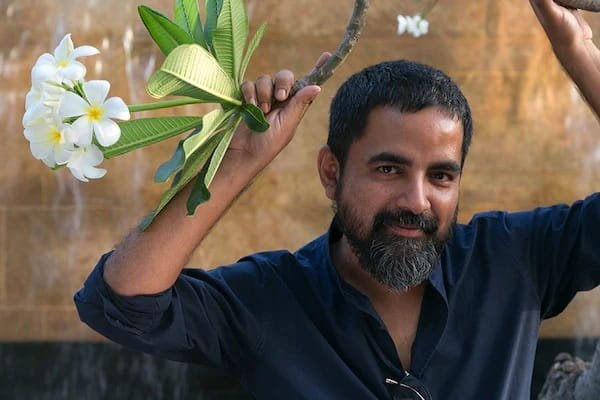
Few names are as closely associated with modern Indian bridal luxury as Sabyasachi Mukherjee. His world is built on heirloom textiles, antique-style zardozi, rich velvets, brocades and elaborate hand embroidery, often paired with imperial-looking jewellery. Rather than treating heritage as nostalgia, he turns it into a controlled luxury vocabulary.
His global visibility has expanded sharply. Alia Bhatt wore a custom Sabyasachi sari to the 2024 Met Gala, while Shah Rukh Khan appeared with the designer at the 2025 edition. The house’s 25-year milestone, international retail collaborations and high-jewellery expansion have strengthened its place in global Indian luxury.
2. Manish Malhotra
Manish Malhotra transformed the relationship between Hindi cinema and fashion. Beginning as a costume designer, he made screen wardrobes more character-driven, glamorous and trend-setting before founding the House of Manish Malhotra in 2005. His signatures include sequinned saris, jewel-toned lehengas, crystal embroidery, dramatic veils and high-octane eveningwear.
The brand now extends into couture, jewellery, beauty and film. Malhotra made his Met Gala debut in 2025 and returned in 2026, while recent international work has included Dubai Fashion Week and custom looks connected with Beyoncé’s Cowboy Carter tour. His lasting strength is turning cinematic glamour into aspirational Indian occasion wear.
3. Tarun Tahiliani
Tarun Tahiliani’s defining idea is “India Modern.” For three decades, he has shown that Indian clothing can be sensual, light and technically structured without losing its cultural identity. His signature lies in draping: concept saris, pre-constructed pleats, sculpted dupattas and body-conscious silhouettes shaped by corsetry.
Tahiliani also works with gota, zardozi, chikankari, mukaish, brocade and hand-painted textiles, but construction usually matters more than surface excess. He was among the early Indian designers to show internationally, including at Milan Fashion Week. His draped, corseted vocabulary remains influential because it gives ceremonial clothing movement, comfort and architectural precision.
4. Anita Dongre
Anita Dongre has built one of India’s most recognisable models of responsible luxury. Her bridal and festive collections are closely associated with Rajasthan, especially Jaipur-inspired colour, delicate gota patti, hand embroidery and lightweight lehengas that balance celebration with wearability.
Sustainability is central to her brand identity. The Anita Dongre Foundation supports rural women through community tailoring and artisan-focused initiatives, while the label says it has remained fur- and leather-free. This combination of bridal scale, business reach and social purpose has made Dongre an important voice in the move toward more conscious Indian luxury.
5. Gaurav Gupta
Gaurav Gupta pushed Indian couture decisively toward futuristic sculpture. A Central Saint Martins graduate, he co-founded his label in 2005 and developed a language of spiralling forms, exaggerated shoulders, moulded corsetry and wave-like gowns that seem engineered around the body. His clothes often feel closer to wearable architecture than conventional eveningwear.
Invited by the Fédération de la Haute Couture et de la Mode, Gupta debuted on the Paris couture schedule in 2023. Beyoncé, Cardi B and Megan Thee Stallion are among the global stars who have worn his designs at major music, awards and performance moments. His success shows that Indian couture can travel globally without depending on familiar “ethnic” codes.
6. Rahul Mishra
Rahul Mishra represents another route to global relevance: extreme craftsmanship and slow fashion. In 2020, he became the first Indian designer to present on the official Paris Haute Couture calendar. His collections are known for extraordinary hand embroidery, with flowers, forests, insects and landscapes built through thousands of hours of artisanal work.
Mishra links luxury to employment and participation. His label describes its philosophy through the three E’s—Environment, Employment and Empowerment—and supports a large artisan network through hand-weaving and embroidery. His importance lies in making Indian handcraft central to contemporary international haute couture rather than treating it as decorative background.
7. Ritu Kumar
Ritu Kumar is one of the foundational figures of modern Indian fashion. She began her label in 1969 with four hand-block printers and two tables near Kolkata, long before designer fashion became an organised industry in India. Her career grew from textile research and revival rather than red-carpet spectacle.
Kumar helped restore attention to hand block printing, zardozi, regional embroidery and historic textile vocabularies when many traditions were losing visibility. Her influence is therefore intellectual as well as aesthetic: she demonstrated that archival research, artisan knowledge and commercial fashion could belong to the same modern design system.
8. Anamika Khanna
Anamika Khanna is one of Indian couture’s great deconstructors. Working from Kolkata, she has repeatedly broken apart the sari, lehenga and dupatta and rebuilt them as capes, dhoti trousers, asymmetrical separates, long jackets and layered ensembles. Her work moves easily from zardozi, Kashmiri embroidery and Parsi gara to frayed edges and experimental “shredded couture.”
Khanna became an important bridge between Indian dress and global fashion and was among the earliest Indian women designers to present at Paris Fashion Week. Her influence is visible wherever occasion wear becomes less formulaic, especially in cape styling, dhoti-based silhouettes and couture separates designed to be restyled.
9. Rohit Bal
The late Rohit Bal, affectionately known as “Gudda,” remains essential to Indian fashion history. He died in November 2024 at 63, but his influence survives through the designers he inspired and the visual language he helped establish. Bal drew deeply from Kashmir, history, folklore and nature, working with velvet, silk, brocade and elaborate embroidery.
Lotuses, roses and peacocks became signatures, while his bandhgalas, sherwanis, anarkalis and theatrical runway presentations gave Indian luxury a romantic grandeur. A founding member of the Fashion Design Council of India, Bal helped make fashion design a visible cultural profession. His 2024 collection “Kaaynaat” became his final runway chapter.
10. Masaba Gupta
Masaba Gupta brought graphic wit and pop culture into a fashion space often dominated by bridal formality. She launched her career young and built House of Masaba around bold prints, unexpected motifs, saturated colour and easy silhouettes. Saris, kaftans, co-ords, festive sets and resortwear carry an instantly recognisable visual identity.
Her importance lies in making Indian fashion feel younger and less ceremonial. House of Masaba now spans wedding wear, festive dressing and luxe resortwear while preserving the print-driven language that established the brand in the early 2010s. Gupta’s mix of fashion, media and entrepreneurship has helped redefine the contemporary Indian lifestyle label.
Conclusion
These ten designers capture the evolution of Indian fashion in 2026. Ritu Kumar and Rohit Bal represent craft revival and the rise of the designer as a cultural figure. Sabyasachi, Manish Malhotra, Tarun Tahiliani and Anita Dongre reshaped bridal and luxury dressing. Anamika Khanna challenged convention, while Rahul Mishra and Gaurav Gupta pushed Indian couture deeper into the global fashion system. Masaba Gupta gave modern Indian dressing a younger pop vocabulary.
The larger story is equally important: India is no longer simply supplying craft to global fashion. Its designers are increasingly defining contemporary luxury through artistry, cultural specificity, technical ambition and a growing commitment to sustainability.