Muskmelon is one of India’s most refreshing summer fruits, known for its sweet aroma, juicy flesh and wide range of colours and textures. It is grown across north, west and south India, with important production pockets in Punjab, Uttar Pradesh, Rajasthan, Haryana, Gujarat, Madhya Pradesh, Maharashtra, Karnataka and Tamil Nadu. Depending on the variety, the fruit may have orange, white or green flesh, smooth or netted skin, and sweetness ranging from mild to intensely sugary.
For growers, choosing a muskmelon variety is not only about fruit size. Early maturity, total soluble solids (TSS or °Brix), flesh firmness, disease tolerance, shelf life and transportability can be just as important. For consumers, aroma, ripeness, flesh colour and texture often matter more than the external rind. Some varieties are delicate and best for nearby markets, while others are bred to handle longer-distance transport.
In 2026, Indian farmers have access to both trusted public-sector varieties and newer high-performing hybrids. This guide focuses on varieties with clear horticultural value, distinctive fruit quality and documented suitability under Indian conditions. Now, let’s check out the top 10 muskmelon varieties in India.
1. Pusa Madhuras
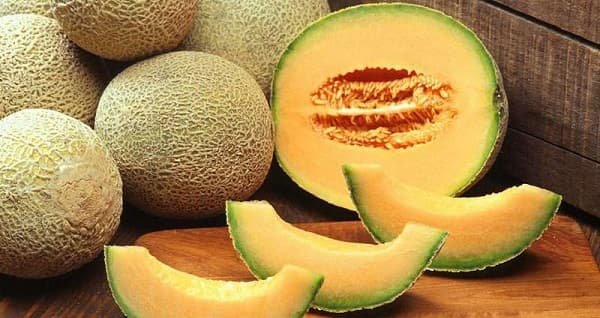
Pusa Madhuras is a classic IARI muskmelon known for its salmon-orange flesh, pleasant sweetness and broad adaptation across many Indian states. Its flavour makes it attractive for fresh eating, although its softer keeping quality means careful post-harvest handling is important.
- Origin: Developed by ICAR-Indian Agricultural Research Institute, New Delhi.
- Fruit profile: Roundish-flat fruits, about 1 kg, with sparse netting and pale green stripes.
- Flesh & sweetness: Salmon-orange, juicy flesh with about 12-14% TSS.
- Maturity: First picking generally starts around 90-95 days after sowing.
- Best suited for: Fresh local markets and growers serving nearby wholesale or retail channels.
2. Pusa Sharbati
Pusa Sharbati is valued for its attractive orange flesh, cantaloupe-like flavour and better keeping quality than more delicate muskmelons. Its moderate fruit size makes it easy to handle in retail markets and family households.
- Origin: Developed by IARI, New Delhi.
- Fruit profile: Round fruits weighing about 0.9-1 kg, with green stripes and moderately netted skin.
- Flesh & sweetness: Thick bright-orange flesh, narrow seed cavity and about 10-12% TSS.
- Maturity: Usually around 80-85 days.
- Market strength: Good keeping quality and an attractive combination of colour, aroma and manageable fruit size.
3. Arka Jeet
Arka Jeet is one of ICAR-IIHR’s best-known muskmelon varieties and is notable for its high sweetness. The rind changes from dark green during early fruit development to golden-orange at full-slip maturity, giving growers a useful visual harvest cue.
- Origin: Developed by ICAR-Indian Institute of Horticultural Research, Bengaluru.
- Fruit profile: Round fruits flattened at both ends, with colour changing to golden-orange at maturity.
- Flesh & sweetness: White flesh with excellent flavour and high TSS of about 13-16%.
- Yield: Around 14-15 tonnes per hectare in official descriptions.
- Best suited for: Fresh eating and regions including Karnataka, Tamil Nadu, Kerala, Gujarat, Rajasthan, Haryana and Delhi.
4. Arka Rajhans
Arka Rajhans offers a different eating profile from orange-fleshed cantaloupes. Its crisp white flesh, mild flavour and creamy-white netted rind make it a useful option for consumers who prefer a cleaner, less musky taste.
- Origin: Developed by ICAR-IIHR, Bengaluru.
- Fruit profile: Medium-large, round to slightly oval fruits with creamy-white netted skin.
- Flesh & texture: White, crisp flesh with a pink seed cavity and mild flavour.
- Fruit size: Average fruit weight is around 1 kg, with commonly 2-3 fruits per plant.
- Best suited for: Karnataka, Tamil Nadu and Kerala, particularly for fresh local markets.
5. Kashi Madhu
Kashi Madhu combines strong sweetness with good transportability, making it useful for commercial growers. Its salmon-orange flesh, small seed cavity and relatively thin rind give the fruit a high edible portion and appealing appearance.
- Origin: Developed by ICAR-Indian Institute of Vegetable Research, Varanasi.
- Fruit profile: Round fruits with prominent green sutures and pale-yellow skin at maturity.
- Flesh & sweetness: Thick salmon-orange flesh, very juicy, with about 13-14% TSS.
- Crop strength: Good post-harvest life and transportability; tolerant to powdery and downy mildew in official descriptions.
- Best suited for: Commercial fresh markets, especially in Uttar Pradesh, Punjab and Jharkhand.
6. Hara Madhu
Hara Madhu is a long-established Punjab muskmelon famous for its green flesh and strong sweetness. It matures later than some modern varieties, but its flavour and small seed cavity have kept it important in traditional cultivation.
- Origin: Released by Punjab Agricultural University.
- Fruit profile: Large, round fruits averaging about 1 kg, with light-yellow skin and green sutures.
- Flesh & sweetness: Thick green, juicy flesh with about 13% TSS.
- Maturity: A comparatively late variety.
- Best suited for: Consumers who prefer traditional green-fleshed muskmelon with pronounced sweetness.
7. Punjab Amrit
Punjab Amrit is one of the newer open-pollinated muskmelon varieties gaining attention among farmers. It combines high sweetness, firm flesh and better shelf life, helping growers who want quality fruit without depending entirely on costly private hybrids.
- Origin: Developed by Punjab Agricultural University; promoted through farmer demonstrations and commercialization in 2025-26.
- Fruit profile: Oval-round, netted fruits with a greenish-yellow to creamy-yellow rind.
- Flesh & sweetness: Creamy-white, moderately crisp and juicy flesh with about 14.7% TSS.
- Market strength: High firmness and long shelf life support handling and transport.
- Best suited for: Commercial production where sweetness, seed affordability and marketability are important.
8. Punjab Sarda
Punjab Sarda is designed for growers who need firm fruit with good keeping quality. Unlike many slip-type muskmelons, it does not separate naturally from the stem at full maturity, so harvest timing depends more on rind colour and crop experience.
- Origin: Developed by Punjab Agricultural University.
- Fruit profile: Oval-round fruits with a bright-yellow smooth rind and a small seed cavity.
- Flesh & sweetness: Thick creamy-white, crisp flesh with about 13.5% total soluble solids.
- Maturity: First picking is around 70 days after transplanting.
- Market strength: High firmness, long shelf life and suitability for distant transportation.
9. MH-27
MH-27 is a commercially important PAU hybrid bred for attractive netted fruit, good sweetness and stronger field performance. Its disease and nematode tolerance makes it particularly useful where growers face recurring soil and wilt problems.
- Origin: Developed by Punjab Agricultural University.
- Fruit profile: Round, light-yellow, sutured and netted fruits averaging about 850-860 g.
- Flesh & sweetness: Thick salmon-orange flesh with about 12.5% TSS.
- Crop strength: Tolerant to wilt and root-knot nematodes.
- Market strength: Long shelf life and good suitability for distant transport.
10. MH-56
MH-56 is one of PAU’s newer muskmelon hybrids and a notable 2026 choice for growers looking for high sweetness and firm fruit. It is a Galia-type melon with strong market potential because flavour, firmness and transport quality are combined in the same hybrid.
- Origin: Developed by Punjab Agricultural University and recommended as a newer commercial hybrid.
- Type: Galia-type muskmelon.
- Sweetness: Reported at about 14.4% TSS.
- Yield: Around 232.2 quintals per hectare in PAU’s 2026 commercialization information.
- Market strength: High firmness, good yield and suitability for commercial handling and transport.
Practical Buyer’s Guide: How to Choose a Good Muskmelon
A sweet muskmelon begins with proper maturity. Unlike some fruits, muskmelon quality will not improve dramatically if it is harvested too immature, so shoppers should use several ripeness clues together rather than relying only on colour.
- Smell the stem end: A ripe aromatic variety should have a pleasant sweet or musky fragrance, not a fermented or sour smell.
- Check the rind: Look for the mature colour expected for the variety and avoid fruits with deep cuts, wet patches or large soft areas.
- Feel the blossom end: A slight give can indicate ripeness in many types, but the fruit should not feel mushy.
- Judge by variety: Some cultivars turn yellow or orange when mature, while others stay pale or greenish; colour rules are not identical for every muskmelon.
- For growers: Choose varieties according to season, local disease pressure, shelf-life needs, irrigation and distance to market.
Conclusion
India’s muskmelon choices range from traditional favourites such as Pusa Madhuras and Hara Madhu to newer market-focused varieties like Punjab Amrit and MH-56. Growers should match variety to climate, disease pressure and market distance, while consumers should focus on aroma, maturity, firmness and the flesh style they prefer.
Frequently Asked Questions
Q. Which muskmelon variety is among the sweetest in India?
Arka Jeet is notable for reported TSS of about 13-16%, while Punjab Amrit is reported around 14.7% and MH-56 around 14.4%. Actual sweetness still depends on sunlight, maturity, irrigation and crop management.
Q. Which muskmelon variety is better for long-distance transport?
Punjab Sarda, Punjab Amrit and MH-27 are strong options because official descriptions highlight firmness, shelf life or suitability for distant transport. Kashi Madhu is also known for good post-harvest life and transportability.
Q. What does TSS or Brix mean in muskmelon?
TSS means total soluble solids and is commonly measured in degrees Brix. In ripe muskmelon it is used mainly as an indicator of soluble sugars, although aroma, texture, acidity and maturity also influence how sweet the fruit tastes.
Q. Which muskmelon variety has green flesh?
Hara Madhu is a well-known green-fleshed variety with about 13% TSS. Arka Jeet and Arka Rajhans have white flesh, while Pusa Madhuras, Pusa Sharbati, Kashi Madhu and MH-27 have orange or salmon-orange flesh.