Beans are among India’s most useful vegetable crops because they fit kitchen gardens, hill farming, peri-urban vegetable belts and intensive commercial production. In this guide, “beans” refers specifically to French or green bean (Phaseolus vulgaris), also sold as snap bean and locally called faras bean or farasbi in some regions. This distinction matters because cowpea, lablab, cluster bean and dry rajma are different crops with different varieties and production systems.
French bean is valued for tender green pods, quick crop duration and strong demand from households, restaurants and modern retail. Bush types suit compact fields and require little or no staking, while pole beans use vertical space and can produce over a longer picking period. Variety choice also affects pod fibre, stringlessness, colour, disease resistance, maturity and transport quality. In Indian plains, cool-season production is usually preferred, while hill regions support spring and summer cultivation.
In 2026, public-sector breeding from ICAR-IIHR, IARI, TNAU and state universities gives farmers several reliable choices, from rust-resistant Arka lines to high-yielding hill varieties such as Ooty 3. Now, let’s check out the top 10 beans varieties in India!
1. Arka Komal
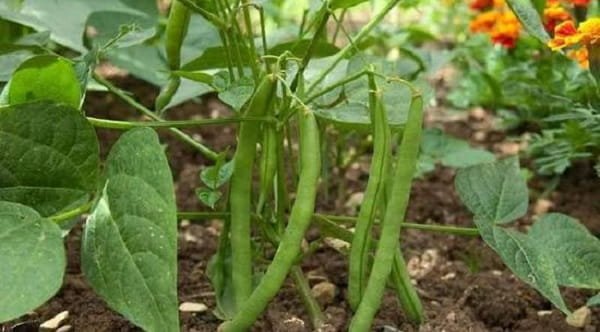
Arka Komal is one of India’s best-known bush French beans and helped establish ICAR-IIHR bean varieties across the country. Its straight green pods, compact plant habit and good transport quality make it suitable for both farmers and fresh-market buyers.
- Origin: ICAR-Indian Institute of Horticultural Research, Bengaluru.
- Plant type: Erect, bushy and photo-insensitive.
- Pod profile: Straight green pods with tender texture and good cooking quality.
- Maturity: Around 70–75 days for the crop cycle under normal conditions.
- Yield: About 20 tonnes/ha in extension recommendations.
- Best use: Fresh vegetable markets, commercial transport and plains cultivation during suitable cool seasons.
2. Arka Anoop
Arka Anoop is one of IIHR’s strongest disease-oriented French bean varieties. It was bred by crossing Arka Bold and Arka Komal and offers better rust resistance along with high pod productivity.
- Origin: ICAR-IIHR, Bengaluru.
- Plant type: Bushy and photo-insensitive.
- Pod quality: Green, crisp pods with relatively low parchment, giving good eating quality.
- Maturity: Pods reach maturity at about 45 days, with the crop yielding over roughly 70 days.
- Yield: About 19.8 tonnes/ha in IIHR trials.
- Disease strength: Developed for strong rust resistance and better field reliability.
- Best use: Commercial vegetable farms where rust pressure is an important concern.
3. Arka Suvidha
Arka Suvidha is a practical bush bean for growers who want tender, stringless pods rather than coarse or fibrous beans. Its light-green pods have a crisp texture that suits both home cooking and organised fresh markets.
- Origin: ICAR-IIHR; developed from Blue Crop × Contender.
- Plant type: Bushy and photo-insensitive.
- Pod profile: Straight, oval, light green, fleshy, stringless and crisp.
- Maturity: Approximately 70–75 days.
- Yield: Around 19 tonnes/ha.
- Commercial utility: Good for fresh pod sale, kitchen use and retail packs where uniform tender pods are preferred.
- Best use: Plains and vegetable belts where compact bush growth is more convenient than pole staking.
4. Arka Sharath
Arka Sharath is a newer IIHR French bean notified for Karnataka and is especially attractive for consumers who prefer perfectly round, crisp pods. It was developed with steam cooking and fresh-market quality in mind.
- Origin: ICAR-IIHR, Bengaluru; notified in 2019.
- Plant type: Bushy and photo-insensitive.
- Pod profile: Round, smooth, stringless and fleshy with no parchment.
- Season: Suitable for kharif and rabi under its recommended conditions.
- Yield: Around 18.5 tonnes/ha in about 70 days.
- Commercial use: Steam cooking, fresh retail, restaurants and premium green-bean packs.
- Regional fit: Officially recommended for Karnataka.
5. Arka Arjun
Arka Arjun is a disease-resistant bush French bean designed for warm-season flexibility. Its smooth, stringless pods and resistance to mungbean yellow mosaic virus make it particularly useful in areas where viral disease can reduce bean yield.
- Origin: ICAR-IIHR, Bengaluru.
- Plant type: Bushy, vigorous and photo-insensitive.
- Pod profile: Green, smooth and stringless.
- Season: Suitable for rabi and summer cultivation.
- Maturity: Pods begin maturing around 48 days.
- Yield: About 17 tonnes/ha over a 70-day crop period.
- Disease strength: Resistant to MYMV, adding value in virus-prone production belts.
6. Arka Sukomal
Arka Sukomal is the major pole-type variety in this list and is useful where farmers can provide stakes or trellises. Its long stringless pods and high yield make vertical cultivation worthwhile.
- Origin: ICAR-IIHR, Bengaluru.
- Plant type: Indeterminate pole bean growing above 2 metres.
- Pod profile: Long green oval pods, around 23 cm, with stringless texture.
- First harvest: Around 60 days.
- Yield: Approximately 24 tonnes/ha in about 100 days.
- Disease strength: Rust resistant.
- Season: Suitable for both kharif and rabi.
- Best use: Trellised commercial fields and home gardens where vertical space can be used efficiently.
7. Pusa Parvati
Pusa Parvati is a classic IARI bush French bean that remains useful because of its wide adaptation. It offers compact plants and dependable pod production without the management demands of a pole variety.
- Origin: ICAR-Indian Agricultural Research Institute, New Delhi.
- Release:
- Plant type: Dwarf and bushy.
- Pod profile: Dark-green, semi-round, straight pods with slight stringiness.
- Yield: Around 22 tonnes/ha in IARI descriptions.
- Adaptation: Listed as suitable across Indian regions in IARI technical literature.
- Best use: General fresh-market production where growers want a proven, compact variety.
8. Pusa Himlata
Pusa Himlata is different from the bush varieties because it is a climbing bean developed for medium and higher hill regions. Its long fleshy pods are stringless, and mature seeds can also be used like rajmash.
- Origin: ICAR-IARI, New Delhi.
- Release:
- Plant type: Vine or pole type.
- Regional fit: Medium and higher hilly regions.
- Pod profile: Long, fleshy, light-green, straight and stringless.
- Yield: About 17–20 tonnes/ha.
- Dual use: Tender pods for vegetables and mature seed for dry-bean use.
- Best use: Hill farmers wanting both fresh pod and seed-market flexibility.
9. French Bean Ooty 3
Ooty 3 is one of TNAU’s most impressive hill French beans and a particularly strong choice for the Nilgiris. It produces pods in clusters and combines high yield with lower fibre and useful resistance to common hill-crop problems.
- Origin: TNAU; pure-line selection from Thoothurmattam local.
- Plant type: Pole type.
- Regional fit: Nilgiris and similar hill environments at roughly 1,200–2,200 metres elevation.
- Pod profile: Long, fleshy, straight pods borne in clusters of about 7–9.
- Maturity: First harvest around 70 days; crop duration about 90 days.
- Yield: Around 39.8 tonnes/ha, with higher trial yields above 46 tonnes/ha.
- Crop strength: Moderately resistant to powdery mildew and whitefly.
10. Phule Suyash
Phule Suyash is a Maharashtra French bean developed for farmers who need attractive market pods and flexibility across two important seasons. Its tender green pods and tolerance to major pests and diseases make it a practical regional option.
- Origin: Mahatma Phule Krishi Vidyapeeth, Rahuri.
- Regional fit:
- Pod profile: Tender, smooth green pods that are straight to slightly curved.
- Season: Suitable for both kharif and rabi.
- Yield: Around 168 quintals/ha, or approximately 16.8 tonnes/ha.
- Crop strength: Reported tolerance to major pests and diseases.
- Best use: Maharashtra vegetable growers serving fresh wholesale and local retail markets.
Practical Buyer’s & Farmer’s Guide
- Choose bush or pole first: Bush beans such as Arka Komal, Arka Suvidha and Pusa Parvati need less support, while Arka Sukomal and Ooty 3 require staking or trellising but can produce for longer.
- Check the pod: Fresh beans should be firm, crisp, bright green and free from large seeds, yellowing, rust spots or fibrous strings.
- Match season and altitude: French bean prefers relatively cool conditions. TNAU places the optimum temperature around 15–21°C, with different sowing windows for hills and plains.
- Use quality seed: Buy from ICAR institutes, state agricultural universities, KVK-linked channels or authorised seed dealers and confirm the exact cultivar name.
- Harvest frequently: Tender pods fetch the best price. Leaving mature pods on the plant reduces eating quality and can slow further pod production.
Conclusion
India’s French bean choices now cover almost every production need—from compact Arka bush types for easy commercial farming to high-yielding pole varieties such as Arka Sukomal and Ooty 3. The best variety depends on season, altitude, disease pressure, staking facilities and the pod quality demanded by the market. Choosing the right type can improve both yield and the percentage of tender pods that actually earn a premium price.
Frequently Asked Questions
Q. Which bean variety gives the highest yield in this list?
Ooty 3 has the highest documented green-pod yield here at about 39.8 tonnes/ha under suitable Nilgiris hill conditions. Arka Sukomal produces around 24 tonnes/ha, while Pusa Parvati is reported at about 22 tonnes/ha.
Q. Which bean variety is best for plains in India?
Arka Komal and Arka Suvidha are strong bush-type choices for plains under suitable cool-season conditions. They produce tender marketable pods without requiring the trellis system needed by pole beans.
Q. Which French bean is best for hill areas?
Ooty 3 is an excellent high-yield option for the Nilgiris and similar hill climates. Pusa Himlata is another useful hill variety, especially where farmers value both tender pods and dry seed that can be used as rajmash.
Q. Which bean varieties are disease resistant?
Arka Anoop is noted for strong rust resistance, Arka Sukomal is also rust resistant, and Arka Arjun is resistant to mungbean yellow mosaic virus. Ooty 3 provides moderate resistance to powdery mildew and whitefly under its recommended hill conditions.