Anjeer has become a high-value fruit for Indian growers, fresh-fruit buyers and dry-fruit consumers. Commercial fig cultivation is concentrated mainly in Maharashtra, Karnataka and Gujarat, with newer plantings also appearing in hot, dry regions such as western Rajasthan. Figs perform best with abundant sunshine, warm ripening weather and well-drained soil—conditions that help concentrate sugars and reduce fruit cracking.
Variety choice matters. Poona Fig remains India’s best-known commercial type, while Dinkar offers improved yield and quality. Imported cultivars such as Deanna, Conadria and Excel have also performed well in Indian trials, especially for drying and intensive orchards. For home gardeners, canopy size and container suitability can matter as much as yield.
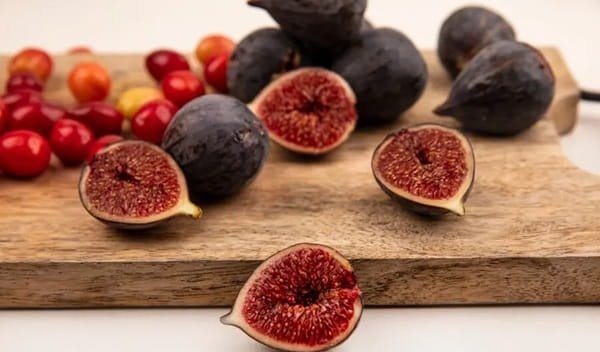
This guide compares fruit colour, TSS, flavour, yield, drying quality and climate fit. Let’s check out the Top 10 Fig (Anjeer) Varieties in India.
1. Poona Anjeer (Pune Red)
Poona Anjeer is India’s benchmark commercial fig, especially around Pune and Purandar. Premium fruits are usually 40-60 g, with greenish-violet to light-purple skin, reddish pulp and about 18-22°Brix sweetness. Mature trees are commonly reported at roughly 25-30 kg under standard management. Its thin skin, soft pulp and rich flavour make it excellent for fresh eating, premium punnets and nearby mandi sales. The drawback is perishability, so cold-chain handling matters for distant markets.
2. Dinkar
Dinkar was selected as an improvement over the Daulatabad type and resembles Poona in general fruit character. It is valued for larger fruit, better yield and good sweetness. The Fruit Research Station at Chhatrapati Sambhajinagar lists fruit around 70-100 g, TSS near 20% and yield of about 120-140 q/ha, along with rust resistance. For farmers comparing high yielding fig breeds, Dinkar is one of the strongest Indian cultivars to evaluate alongside Poona.
3. Daulatabad
Daulatabad is better viewed as a Maharashtra regional type or ecotype than a sharply distinct modern cultivar. Indian horticultural literature notes that several location-named figs closely resemble Poona. The fruit is generally thin-skinned, light purple to reddish-green, with red or maroon flesh and a sweet flavour. Nursery material commonly reports around 20-30 g fruit and 13-16°Brix. Its greatest importance is historical and breeding-related: Dinkar was developed as an improvement over Daulatabad.
4. Black Ischia
Black Ischia bears attractive dark-purple fruits with reddish pulp and a rich dessert flavour. It is visually distinctive and suits specialty fresh markets and home gardens. However, “heavy yielding” should not be assumed in every Indian climate. A 2025 semi-arid western India evaluation recorded lower yield for Black Ischia than several other tested genotypes. It is therefore better treated as a niche fresh-eating cultivar unless local trials confirm stronger orchard performance.
5. Brown Turkey
Brown Turkey is a widely adaptable common fig with bronze to purplish-brown skin and pinkish-brown flesh. The flavour is mild and honeyed rather than intensely berry-like. It has been evaluated in India, including Punjab, and ICAR-IIHR has identified it as a vigorous rootstock for fig propagation. Its manageable habit and self-fertile nature also make it useful for home gardens and large containers. It is more of an adaptable all-rounder than a premium dried-anjeer specialist.
6. Conadria
Conadria is a California-bred common fig that has performed well in Indian evaluation programmes. Fruits are medium to large, with green-yellow skin, pink to strawberry-red pulp and a clean, sweet flavour. It is vigorous, productive and suitable for both fresh use and drying. International descriptions also note good resistance to splitting. For commercial fig cultivation India, Conadria is especially interesting where growers want a processing fig that handles drying better than very soft fresh-market types.
7. Kadota (Dottato)
Kadota, closely associated with Italy’s Dottato tradition, has yellow-green skin, amber flesh and a mellow honey flavour. Its firm, fine-textured pulp has long made it useful for canning and drying. In India it remains an introduced specialty cultivar rather than a dominant commercial planting. It is best suited to hot, relatively dry locations where fruit can develop full sugar without prolonged rain. Its pale skin also produces attractive golden dried fruit.
8. Deanna
Deanna is one of the strongest introduced cultivars for dried Anjeer production in Indian trials. It produces large greenish-yellow to golden fruits with amber to light-pink flesh. An Indian processing study recorded fruit weight of 46.64 g, TSS of 21.20% and low acidity. Deanna produced the most attractive, firm dried figs among five tested cultivars, followed by Conadria. For growers targeting dried rings, halves or value-added fig products, Deanna deserves serious consideration.
9. Black Mission
Black Mission is a classic purplish-black fig with deep red pulp and concentrated, jammy sweetness. It is self-fertile and can produce both breba and main crops under suitable conditions. In India it remains more of a specialty cultivar than a mainstream orchard standard. In a Black Mission vs Poona fig comparison, Poona has far stronger local commercial validation, while Black Mission offers darker colour, richer flavour and established international drying appeal.
10. Excel
Excel is another California-origin fig that has performed well in Indian evaluations. It produces medium yellow fruits with soft amber pulp and a sweet, rich taste. Its relatively compact canopy can suit closer planting, and the cultivar is known for good resistance to fruit splitting compared with many softer figs. Indian horticultural references group Excel with Deanna and Conadria as promising exotics under Bengaluru conditions. It works for both fresh consumption and processing.
How to Choose the Right Anjeer Variety for Planting & Buying
For fresh sales, Poona, Dinkar and good Daulatabad selections offer familiar flavour and strong local acceptance. For drying, Deanna and Conadria have especially useful Indian evidence, while Kadota and Black Mission are established international processing types.
Figs prefer hot, dry ripening weather and well-drained soil. Indian recommendations note that the crop can perform in medium to heavy calcareous soils around pH 7-8, but waterlogging should be avoided. Drip irrigation helps maintain fruit size in dry areas.
For dried Anjeer production, harvest fully ripe, sound fruit, wash and grade it, then halve or slice uniformly. Dry on clean raised trays, preferably under protected solar drying or in a dehydrator rather than directly on dusty ground. Buyers should choose dried figs that are plump and flexible, with a naturally sweet aroma and no sour smell, mould or excessive moisture.
Conclusion
The best anjeer types in India 2026 depend on the market. Poona remains the established fresh-fruit leader, Dinkar offers strong Indian yield potential, and Deanna and Conadria stand out for processing. Specialty cultivars such as Black Mission, Kadota and Excel can add premium-market diversity.
Matching the cultivar with dry ripening weather, good drainage and careful post-harvest handling can improve both orchard profitability and fruit quality.
Frequently Asked Questions
Q. Which is the most popular commercial fig (Anjeer) variety grown in India?
Poona Fig remains the most important and widely recognised commercial cultivar, particularly in Maharashtra’s Pune-Purandar belt.
Q. Which fig varieties are best suited for making dried Anjeer rings?
Indian processing trials strongly favour Deanna, followed by Conadria. Kadota and Black Mission are also established international drying types when fully ripe.
Q. How many years does an Anjeer tree take to produce its first commercial yield in India?
Vegetatively propagated plants may fruit earlier, but meaningful commercial production generally develops around the third year. ICAR’s Rajasthan fig programme also reports plants beginning to yield in the third year.