Cats have moved from quiet neighbourhood companions to full-fledged family members in Indian homes. Apartment living, indoor pet care and organised cat shows have made everything from the hardy Indian Billi to Persians, Bengals and Maine Coons more visible. The Feline Club of India says it now works through 40+ regional clubs, while its 2026 championship shows featured 300+ cats and more than 10 breeds.
Technically, most names here are cat breeds rather than “varieties,” but the title reflects the term people commonly search. The best cat for an Indian home depends on coat length, heat tolerance, grooming, activity level and inherited health risks—not looks alone. Native short-haired cats usually handle local conditions most easily, while long-haired and flat-faced breeds need more careful summer management. So, let’s check out the top 10 cat varieties in India!
1. Indian Billi / Indie Cat
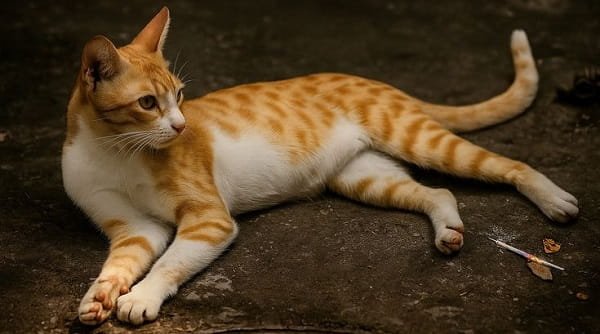
The Indian Billi, often called an Indie or desi cat, deserves first place because it is naturally adapted to Indian homes and climate. It is not one standardised pedigree breed, but a diverse native domestic-cat population seen across the country.
- Status & appearance: Common in cities, towns and villages; usually short-haired and found in tabby, spotted, solid, bicolour and tortoiseshell coats.
- Temperament: Alert, intelligent and often independent, but many become deeply affectionate once trust develops.
- Care & climate: Low grooming needs and excellent local adaptability when properly vaccinated, sterilised and kept safely.
- Best for: First-time cat parents, adopters and families wanting a hardy, low-maintenance companion.
2. Persian
Persians remain among India’s most recognisable pedigree cats because of their round faces, long coats and calm personalities. They are gentle indoor companions, but their beauty comes with high grooming needs and greater sensitivity to heat.
- Appearance: Stocky body, round head, large eyes and a long dense coat in many colours and patterns.
- Temperament: Sweet, quiet and affectionate; usually less athletic than Siamese or Bengal cats.
- Care: Frequent combing, eye cleaning and occasional bathing are needed to prevent matting and staining.
- Health & climate: Keep cool indoors and avoid extremely flat-faced lines with restricted nostrils; responsible breeders screen for inherited problems such as polycystic kidney disease.
3. Siamese
Siamese cats suit people who want a highly interactive companion rather than an independent pet. Their sleek coat is easy to manage, but their intense social nature and famous vocalisation mean they need regular human attention.
- Appearance: Slender body, blue eyes and darker points on the face, ears, legs and tail.
- Temperament: Affectionate, intelligent, active and extremely communicative.
- Care & climate: Short coat needs light brushing and is easier to manage in warm weather, though hydration and cool resting areas remain essential.
- Best for: Owners who enjoy a social, talkative cat and can provide daily companionship.
4. Maine Coon
The Maine Coon is one of the largest domestic cat breeds and is admired for its shaggy coat and gentle personality. It can be a wonderful family cat, but India’s hot summers make grooming and indoor cooling especially important.
- Appearance: Large muscular frame, rectangular head, tufted ears and a dramatic plumed tail.
- Temperament: Friendly, intelligent and people-oriented without usually being overly demanding.
- Care: Comb two or three times weekly to control shedding, hairballs and matting.
- Health & climate: Provide cool indoor conditions in summer and choose breeders who screen for hereditary concerns such as hypertrophic cardiomyopathy.
5. Bengal
Bengals are famous for leopard-like rosettes, but their energy level matters more than their appearance. They are clever, muscular cats that need climbing, puzzles and interactive play rather than a quiet decorative lifestyle.
- Appearance: Athletic medium-to-large body with a short spotted, rosetted or marbled coat.
- Temperament: Curious, confident, social and highly energetic; many enjoy water and training games.
- Care: Coat maintenance is easy, but mental and physical enrichment is a daily requirement.
- Best for: Active or experienced cat parents who can provide substantial play and climbing space.
6. Himalayan
Himalayans combine the Persian body and coat with the colourpoint look associated with Siamese ancestry. In India they are often called Himalayan Persians; major registries place them within the Persian breed group or Persian division.
- Appearance: Long coat, round face, blue eyes and darker points on the ears, mask, legs and tail.
- Temperament: Gentle, calm and affectionate, usually happiest in a quiet indoor home.
- Care: Frequent combing plus regular eye and face cleaning are essential.
- Health & climate: Needs careful heat management; avoid exaggerated facial flattening that interferes with normal breathing or tear drainage.
7. British Shorthair
British Shorthairs suit people who like a calm pedigree cat without the grooming workload of a Persian. Their plush coat and rounded face create a teddy-bear look, while their personality is usually steady and undemanding.
- Appearance: Powerful compact body, round head and very dense short coat; blue-grey is famous but many colours exist.
- Temperament: Calm, quiet and affectionate, often preferring to sit beside people rather than be carried constantly.
- Care: Weekly combing is usually sufficient, with more brushing during seasonal shedding.
- Best for: Apartments and families wanting a relaxed, comparatively low-maintenance pedigree cat.
8. Ragdoll
Ragdolls are large blue-eyed cats known for gentle, people-loving personalities. They adapt well to indoor family life and are usually quieter than Siamese cats, but their trusting nature makes supervised indoor living especially sensible.
- Appearance: Large heavy-boned body, semi-long silky coat, blue eyes and colourpoint or bicolour patterns.
- Temperament: Docile, affectionate and sociable; many follow family members from room to room.
- Care: Comb once or twice weekly and monitor weight because the breed can become overweight.
- Health & climate: Keep cool in Indian summers and choose breeders who screen for hypertrophic cardiomyopathy.
9. Bombay
Despite the name, the Bombay was developed in the United States, not Mumbai. It was bred to resemble a miniature black panther, combining a dramatic glossy coat with an affectionate, outgoing personality.
- Appearance: Jet-black short coat, muscular medium body and striking gold-to-copper eyes.
- Temperament: Playful, social and strongly people-oriented; many enjoy lap time.
- Care & climate: Very easy coat maintenance and simpler warm-weather grooming than long-haired breeds.
- Best for: Families wanting an interactive, elegant cat without extensive grooming.
10. Exotic Shorthair
The Exotic offers much of the Persian look and temperament in a shorter plush coat. It suits owners who love round-faced Persians but want easier coat care, although Persian-type facial and inherited health issues still require attention.
- Appearance: Round Persian-type head, cobby body and dense plush short coat.
- Temperament: Sweet, affectionate and quiet with a relaxed indoor personality.
- Care: Weekly combing is usually enough, with extra brushing during shedding and regular face cleaning.
- Health & climate: Shorter fur is easier than a Persian coat, but flat-faced individuals can still struggle with heat and breathing.
Practical Owner’s Guide: How to Choose the Right Cat
- Choose lifestyle before looks: A high-energy Bengal or vocal Siamese suits a very different household from a placid Persian or British Shorthair.
- Think about Indian summers: Long-haired and flat-faced cats may need cooler indoor conditions, more grooming and closer monitoring during extreme heat.
- Adopt when possible: Native Indian cats are widely available through rescue groups and adoption drives and often make excellent first pets.
- If buying, verify the breeder: Ask for vaccination records, parent health screening and pedigree or registration where relevant; avoid sellers without proper records.
Conclusion
India’s cat scene now ranges from adaptable native Indies to Persians, Bengals, Maine Coons and newer pedigree favourites. The best choice is not the rarest or most expensive cat, but the one whose temperament, grooming, activity level and health needs fit the household. Responsible adoption or ethical breeding should come before appearance.
Frequently Asked Questions
Q. Which cat is best suited to the Indian climate?
The Indian Billi or Indie cat is usually the easiest fit because native short-haired cats are naturally adapted to local conditions. Other breeds can do well with proper indoor care, hydration and heat protection.
Q. Which cat breed is easiest to maintain in an apartment?
Indian Billis, British Shorthairs and Bombays are relatively easy to groom and can adapt well indoors. Individual temperament and activity level still matter as much as breed.
Q. Are Persian cats suitable for hot Indian weather?
Yes, but they need indoor cooling or strong ventilation, regular grooming and plenty of water. Very flat-faced Persians require extra care because narrowed airways can worsen heat stress.
Q. Is a Bengal cat good for a first-time owner?
It can be, but only if the owner is prepared for high activity and daily enrichment. Bengals need climbing, interactive play and mental stimulation; a calmer breed or Indie may be easier for many beginners.