Aloe vera has moved far beyond the kitchen-garden pot in India. Known as ghritkumari in Hindi, gwarpatha in parts of Rajasthan, kumari in Sanskrit and kathalai or katrazhai in Tamil usage, this drought-tolerant succulent is now grown as a medicinal and industrial crop for fresh leaf, inner gel and aloe latex. Its commercial importance comes mainly from cosmetics, personal-care products, beverages, herbal preparations and processing industries rather than from ornamental use alone.
In 2026, choosing planting material is more complicated than simply asking for “Aloe vera.” India does not have ten uniformly recognised commercial cultivars in the way it has named mango or onion varieties. Official medicinal-plant programmes use a mix of named cultivars, elite clones and IC/INGR germplasm accessions selected for leaf biomass, gel recovery, sucker production, aloin content or disease response. CSIR-CIMAP’s CIM-Sheetal is the best-known named Indian cultivar, while ICAR-DMAPR and NBPGR have documented several high-value Aloe barbadensis genotypes.
For farmers, the first question should be what the buyer actually wants: gel-rich leaves, latex/aloin-rich material or planting suckers. That decision should come before planting. Now, let’s check out the top 10 aloe vera varieties in India!
1. CIM-Sheetal
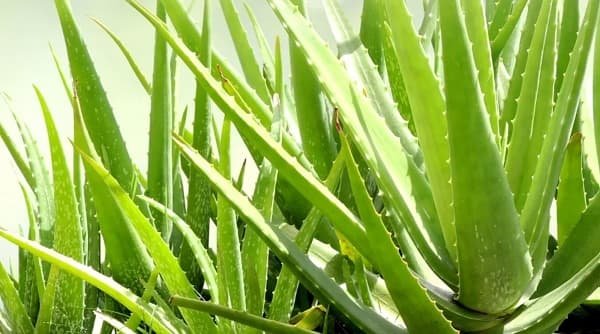
CIM-Sheetal is the strongest named Indian aloe cultivar for commercial farming. Developed by CSIR-CIMAP, Lucknow, it was selected for high leaf and sap production and suitability to rain-fed conditions.
- Origin: CSIR-Central Institute of Medicinal and Aromatic Plants, Lucknow.
- Plant type: Vigorous Aloe vera selection with light-green, fleshy leaves.
- Yield: CSIR-CIMAP reports fresh foliage yield of about 400–500 quintals/ha, or 40–50 tonnes/ha.
- Commercial value: Suitable for gel, juice and cosmetic raw-material supply.
- Climate fit: Tropical and subtropical regions; particularly useful in low-water production systems.
- Farmer advantage: A named, research-backed cultivar is easier to specify in contract farming than an unidentified local aloe.
2. AL-1
AL-1 is an older commercial aloe selection associated with CIMAP and still appears in Indian agricultural extension recommendations. It has historical value because it was among the first named aloe planting materials promoted for organised cultivation.
- Research status: Listed by TNAU and older Indian medicinal-plant literature as a CIMAP release.
- Plant habit: Productive sucker-forming Aloe vera suitable for field propagation.
- Harvesting: Mature leaves can be harvested repeatedly after establishment; older literature notes up to four harvests per plant in a production cycle.
- Commercial utility: Fresh leaf and sucker sales for medicinal and processing markets.
- Best use: Farmers who already have authenticated AL-1 material and an identified buyer.
- 2026 note: CIM-Sheetal has stronger current documentation, so growers should verify AL-1 planting stock rather than buying aloe under the name alone.
3. IC 111271
IC 111271 is one of the most repeatedly recommended Indian Aloe vera accessions. It appears in TNAU cultivation guidance and ICAR medicinal-plant recommendations and has performed strongly for leaf and gel traits in comparative studies.
- Source: NBPGR/ICAR germplasm; originally collected from Banswara, Rajasthan.
- Plant profile: Broad-spreading plants with long, wide leaves.
- Leaf performance: A comparative evaluation recorded the highest harvestable leaf number, about 150 g average leaf weight and around 0.96 kg leaf yield per plant at evaluation.
- Gel: About 83.5 g gel per leaf and roughly 0.56 kg gel per plant in the same trial.
- Aloin: Included among India’s high-aloin germplasm lines in official cultivation guidance.
- Best use: Multipurpose commercial farms seeking both strong leaf biomass and gel recovery.
4. IC 111269
IC 111269 is another high-performing Rajasthan-origin accession valued for biomass and gel-related traits. It repeatedly appears among the better Indian aloe genotypes in morphochemical studies.
- Source: NBPGR germplasm collected from Chittor, Rajasthan.
- Leaf quality: Comparative research recorded the highest dry leaf weight among several evaluated accessions.
- Gel performance: Identified with IC 111271 and CIM-Sheetal among accessions capable of high gel yield.
- Field economics: A Rajasthan study reported about 44.6 tonnes/ha leaf yield and one of the better benefit-cost ratios among tested genotypes.
- Propagation value: Strong sucker production can also help multiplication of planting material.
- Best use: Commercial leaf farms where biomass plus nursery multiplication is important.
5. IC 111280
IC 111280 is especially interesting because it combines commercial leaf yield with useful disease resistance and strong latex-related chemistry. It is one of the genotypes repeatedly included in Indian aloe recommendations.
- Source: NBPGR accession originally collected from Faridabad, Haryana.
- Leaf yield: A Rajasthan evaluation recorded roughly 46.9 tonnes/ha.
- Quality trait: A morphochemical study recorded the highest aloin concentration among the accessions it tested.
- Disease response: Classified as highly resistant to aloe leaf rot in a multi-genotype field evaluation.
- Commercial use: Useful where buyers value aloe latex/aloin traits as well as leaf biomass.
- Best use: Farms in disease-prone areas where clean authenticated planting material is available.
6. IC 111267
IC 111267 is a useful gel-oriented accession with tall growth and strong fresh-gel recovery. It differs from high-aloin selections because one comparative study recorded relatively low aloin concentration alongside high fresh gel.
- Source: NBPGR accession from Chittor, Rajasthan.
- Plant habit: One of the taller large-aloe morphotypes in germplasm evaluation.
- Fresh gel: Around 58.5 ml per 100 g leaf material in one comparative study.
- Aloin: The same study recorded relatively low aloin concentration compared with other tested accessions.
- Propagation: Good sucker production has also been documented.
- Best use: Gel-focused production or breeding programmes where processors prefer inner gel rather than latex-rich material.
7. IC 111279
IC 111279 is a Gujarat-origin aloe genotype that combines useful field productivity with resistance to leaf rot. That makes it relevant to farmers who want stable leaf production under humid or disease-favouring periods.
- Source: Germplasm originally collected from Anand, Gujarat.
- Yield: Rajasthan economic trials recorded about 43 tonnes/ha of fresh leaves.
- Disease response: Classified as resistant to aloe leaf rot in field screening.
- Crop habit: Adapted to dry and semi-arid production systems with good drainage.
- Commercial utility: Fresh leaf supply for processing and multiplication as authenticated planting stock.
- Best use: Growers prioritising field resilience rather than only maximum gel or aloin concentration.
8. IC 112527
IC 112527 is a high-biomass accession from Rajasthan that stands out in newer yield evaluations. It is especially notable for combining heavy leaves with high fresh-gel and aloin yield per hectare.
- Source: NBPGR accession from Ganganagar, Rajasthan.
- Leaf weight: About 262 g per leaf in a recent genotype comparison.
- Leaf yield: Around 88.8 tonnes/ha in that experimental evaluation.
- Fresh gel yield: Approximately 70.3 tonnes/ha.
- Aloin yield: About 59.6 kg/ha in the same study.
- Best use: Research-led commercial production where high leaf biomass and processing recovery are priorities.
- Farmer note: Experimental yields should not be treated as guaranteed farm yields; climate and management strongly affect performance.
9. INGR 06023
INGR 06023 is an elite Aloe barbadensis clone registered with NBPGR specifically for exceptional gel production. Unlike a generic “high-yield” claim, its defining trait is clearly linked to gel recovery.
- Breeding status: Elite germplasm identified by ICAR-DMAPR and registered with NBPGR.
- Key trait: Superior gel-rich clone.
- Gel yield: About 2,191 g gel per plant was reported in germplasm documentation.
- Commercial relevance: Particularly attractive for cosmetic, gel and personal-care processors.
- Best use: Growers whose buyers pay for gel recovery rather than aloe latex.
- Planting note: Source authenticated vegetative material because an INGR number refers to a specific clone, not any ordinary aloe plant.
10. INGR 06024
INGR 06024 is the counterpart to the gel-rich INGR 06023. It was registered for exceptionally high aloin-A content, giving it greater relevance to specialised pharmaceutical and extraction work than to ordinary household gel production.
- Breeding status: Elite ICAR-DMAPR germplasm registered with NBPGR.
- Key trait: Superior aloin-A-rich clone.
- Aloin-A content: Reported around 26.13% in registered germplasm documentation.
- Commercial use: Specialised latex and phytochemical extraction rather than casual fresh-gel use.
- Farmer requirement: Production should be tied to a processor that specifically wants high-aloin raw material.
- Safety distinction: Aloe latex and aloin are different from the clear inner gel; they should not be treated as interchangeable food ingredients.
Practical Farmer’s & Buyer’s Guide
- Decide the market first: A gel processor may prefer different material from a pharmaceutical buyer interested in aloe latex or aloin. Confirm specifications before planting.
- Buy authenticated suckers: Aloe is normally propagated vegetatively. Use healthy, true-to-type suckers from a reliable medicinal-plant nursery, research institute or recognised supplier.
- Check planting material: ICAR-DMAPR guidance recommends vigorous suckers with several healthy leaves. Avoid weak plants with rot, scale insects or badly damaged roots.
- Prioritise drainage: Aloe tolerates drought far better than waterlogging. Sandy to loamy, free-draining land is safer than low fields that hold monsoon water.
- Secure a buyer: Fresh aloe leaves are bulky and highly perishable. A processing or buy-back arrangement is far more important than optimistic yield claims.
Conclusion
India’s Aloe vera sector is built around both named cultivars and elite germplasm rather than a long list of conventional varieties. CIM-Sheetal leads as the clearest commercial cultivar, while IC 111271, IC 111280, IC 112527 and the INGR clones offer valuable gel, biomass, disease-resistance or aloin traits. In 2026, the smartest choice is the planting material that matches the processor’s requirement and the farm’s climate.
Frequently Asked Questions
Q. Which aloe vera variety is best for gel production in India?
CIM-Sheetal is the strongest named commercial cultivar, while IC 111271 and the registered clone INGR 06023 are notable for gel traits. INGR 06023 was specifically registered as a superior gel-rich clone.
Q. Which aloe vera variety has high aloin content?
INGR 06024 was registered for high aloin-A content of about 26.13%. IC 111271, IC 111269, IC 111280 and several other IC accessions are also listed in Indian medicinal-plant guidance as high-aloin germplasm.
Q. Is every aloe plant sold in a nursery suitable for commercial Aloe vera farming?
No. Many ornamental Aloe species look similar but are not the same commercial crop. Farmers should use authenticated Aloe vera/Aloe barbadensis planting material with a known accession or cultivar identity.
Q. Can Aloe vera be grown commercially in Odisha?
Yes. Indian extension information has identified Odisha locations including Bhubaneswar, Cuttack, Puri, Berhampur and Bolangir as potential aloe-growing areas. The bigger constraints are drainage, genuine planting material and access to a dependable processor or market.